

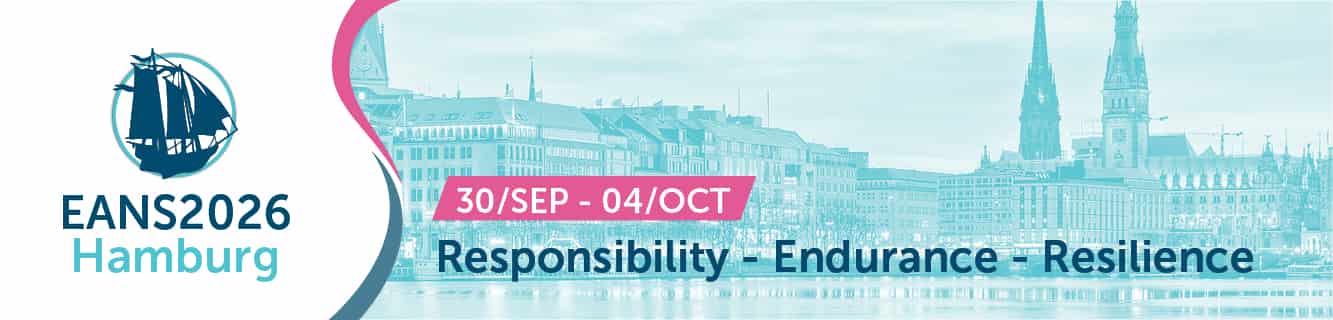
EANS2026 Hamburg Congress Science, collaboration and looking beyond our horizons
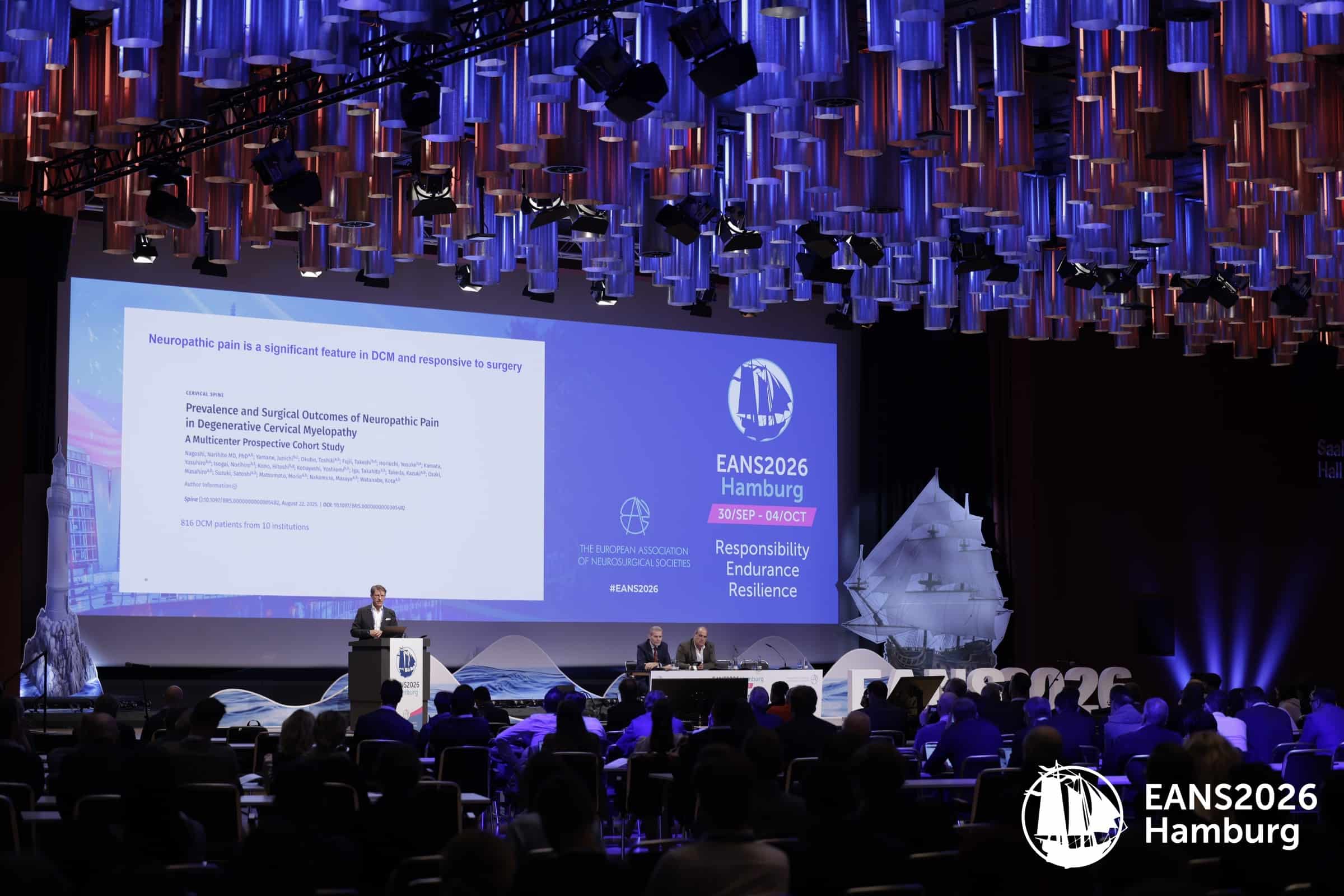
The EANS 2026 Congress in Hamburg brought together the neurosurgical community for an exceptionally diverse scientific programme, spanning the full spectrum from fundamental neuroscience and emerging technologies to prospective clinical studies and the challenges of everyday neurosurgical practice. Across the sessions, one recurring theme became apparent: progress increasingly comes from looking beyond traditional boundaries – between disciplines, between countries, and between basic and clinical science.
The vascular programme provided a high-level overview of current developments in cerebrovascular neurosurgery. Particularly valuable were the perspectives contributed by our colleagues from the Japanese neurosurgical community, including important insights into the management of delayed cerebral ischemia. Their contributions underlined the value of international exchange and of comparing different approaches to some of the most challenging problems in vascular neurosurgery.
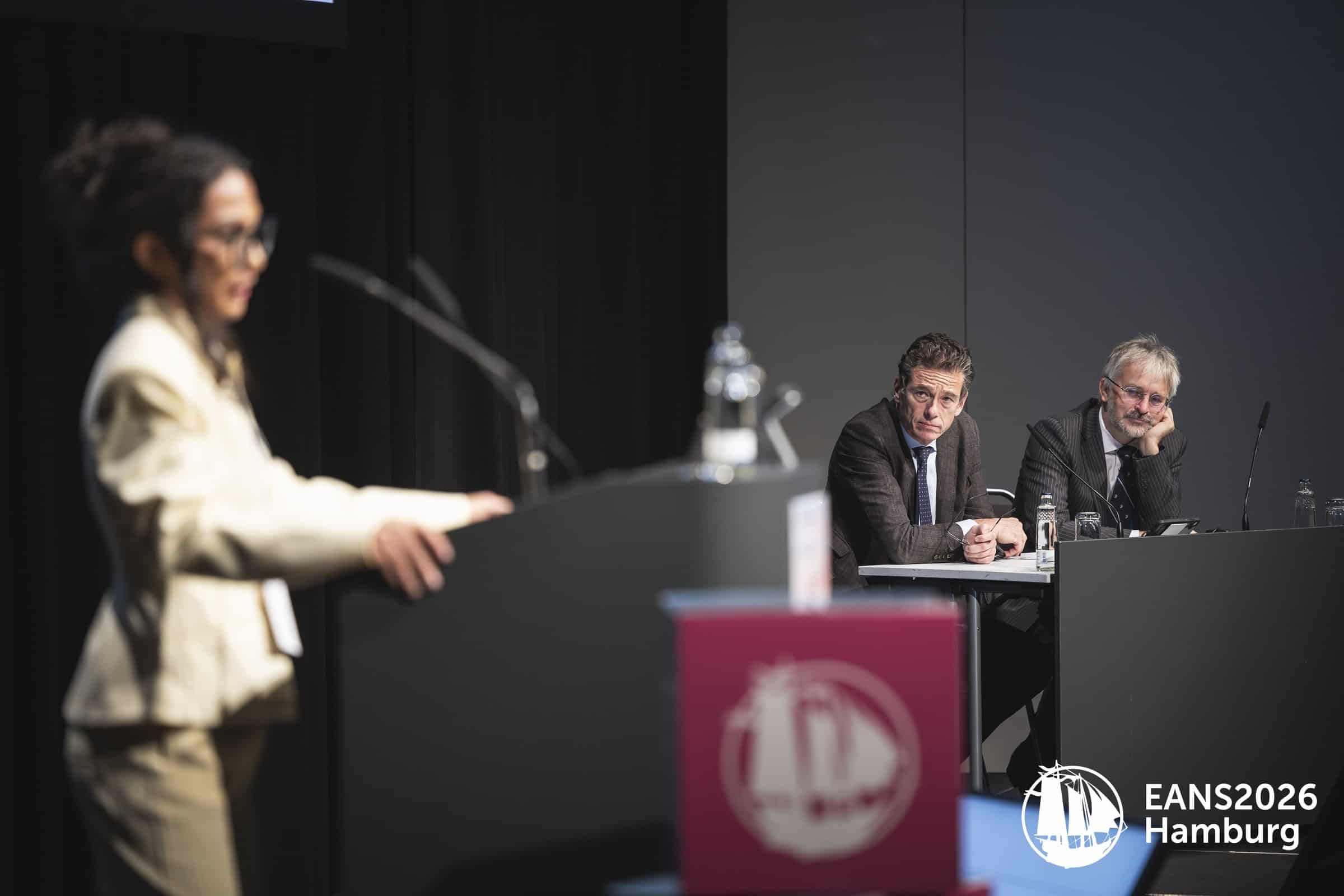
In peripheral nerve surgery, lively discussions around the management of neuropathic pain were complemented by exciting developments in peripheral nerve tumor research. Work on malignant peripheral nerve sheath tumors (MPNST) is increasingly moving towards multi-omics and spatial profiling, offering the prospect of understanding tumor biology and, importantly, mechanisms of nerve and nerve-root invasion at unprecedented resolution.
The myelopathy plenary session illustrated how rapidly this field is evolving. Increasing prospective evidence is allowing us to move beyond purely anatomical concepts of spinal cord compression towards more sophisticated measures of outcome, recovery and neuroplasticity. The discussions highlighted an emerging view of myelopathy as a systems-level disease, with treatment and outcome assessment increasingly incorporating the complex interaction between structural pathology and functional recovery. Excellent oral abstracts presenting prospective data reinforced this development.
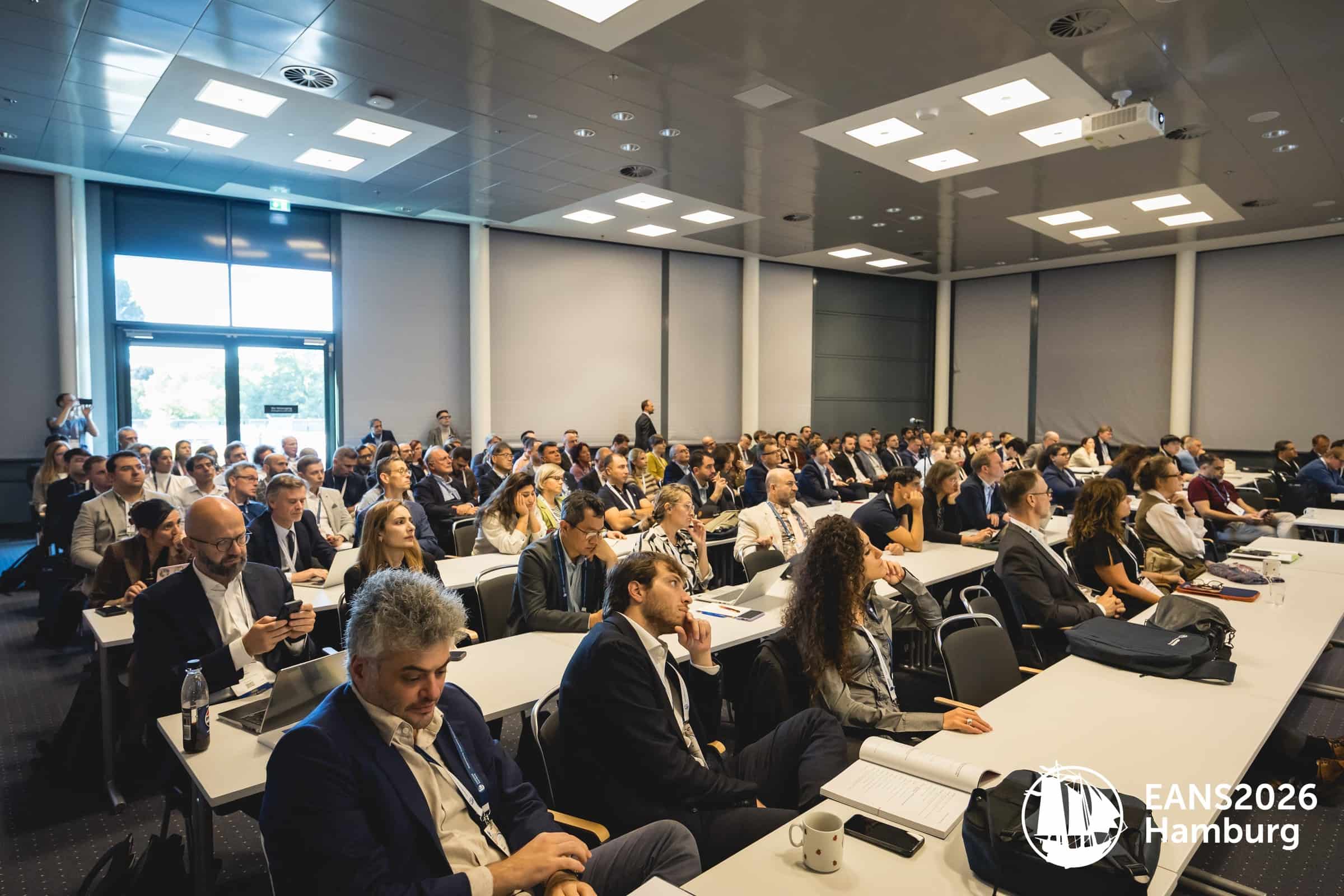
Similar changes are taking place in neuro-oncology. The session on extent of resection demonstrated how molecular pathology is beginning to influence what we consider the appropriate surgical target. Intraoperative diagnostics, molecularly guided surgery and upcoming prospective trials may increasingly connect tumor biology directly with surgical decision-making. Rather than asking only “how much can we safely remove?”, the field is beginning to ask which tumor tissue matters biologically – and how can we identify it during surgery?
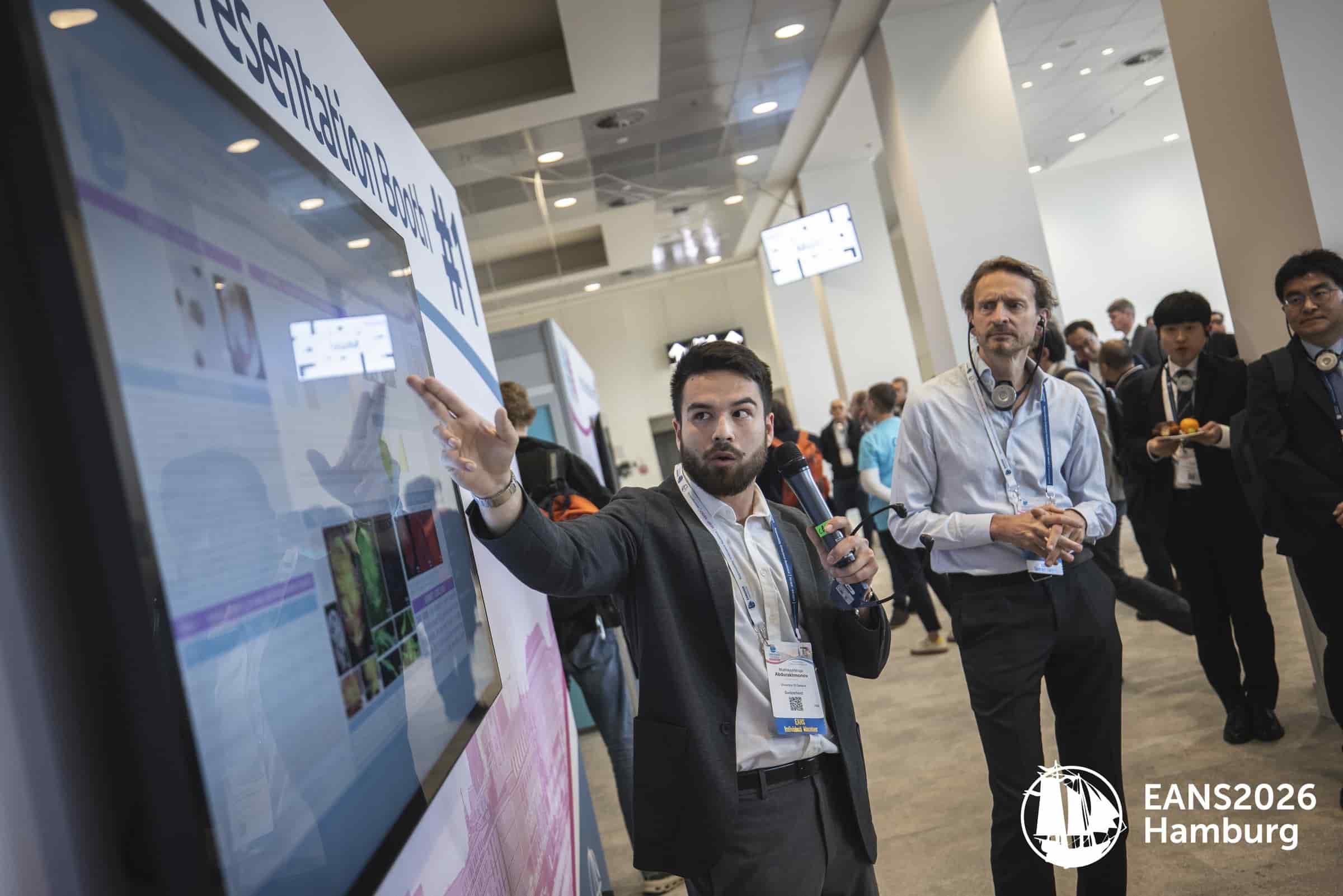
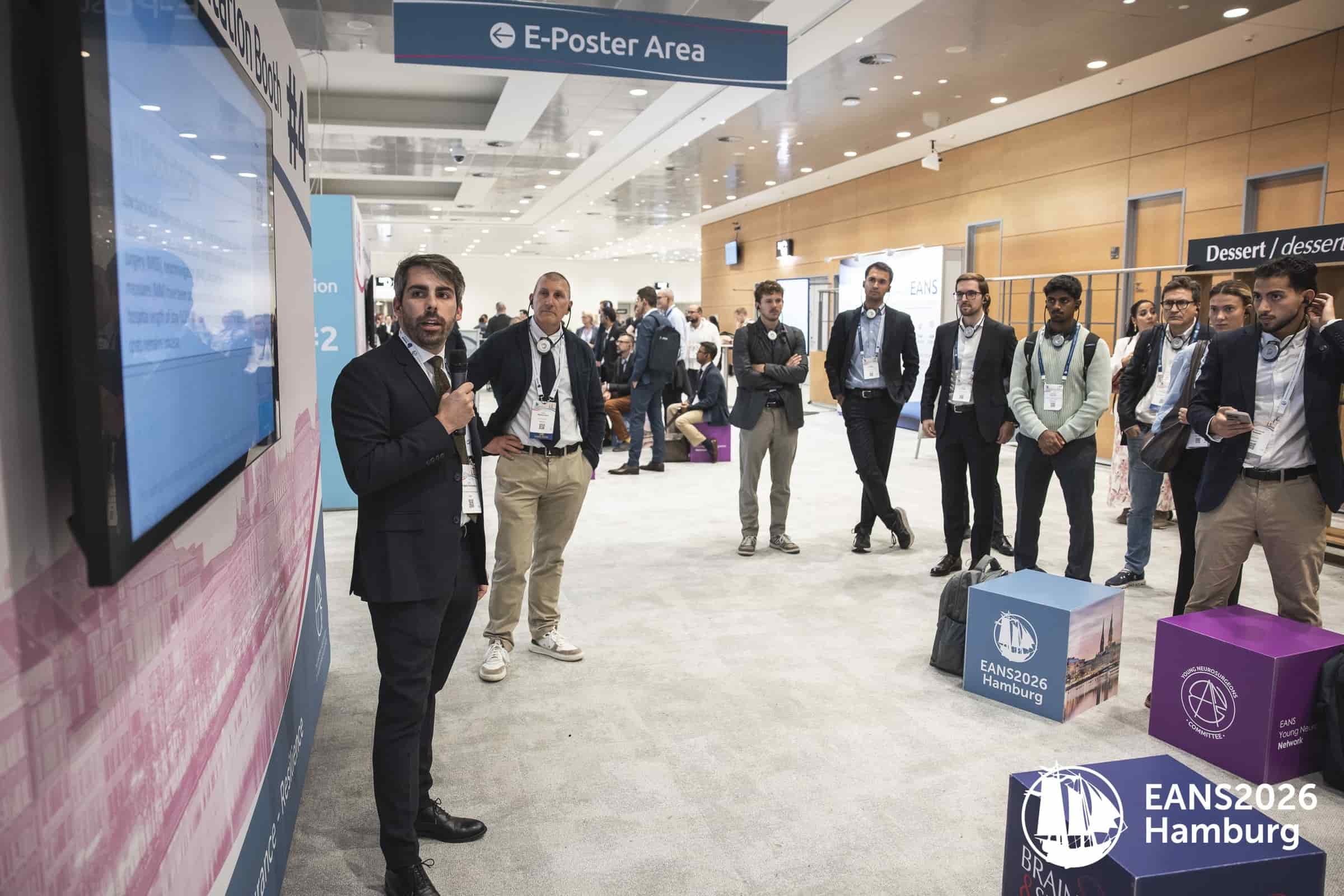
The CSF programme reflected the truly international character of the meeting, bringing together different perspectives on shunt surgery and idiopathic normal-pressure hydrocephalus. The diversity of approaches and experiences generated a valuable discussion around conditions that remain among the most common – and sometimes underestimated – challenges in everyday neurosurgical practice.
The spinal tumor session offered another example of how collaboration can change a field. Contributions from Michael Schwake, Julia Onken and colleagues showcased the power of multicentric research in relatively rare diseases, where meaningful clinical evidence can often only be generated by combining expertise and patient cohorts across institutions. Strong presentations on sacral chordomas further highlighted advances in the management of these particularly challenging tumors and the importance of multidisciplinary expertise in complex spinal oncology.
In traumatic brain injury, the session highlighted the potential of the CBI-M framework for improving the characterization of TBI. Moving beyond broad conventional classifications towards a multidimensional description of injury may ultimately provide a better foundation for prognosis, clinical trials and individualized treatment. Geoffrey Manley presented the CBI-M framework, followed by contributions from Andrew Maas and Andras Buki addressing implementation, biomarkers and modifiers.
Hearing Black Holes – and a Lesson in Scientific Persistence
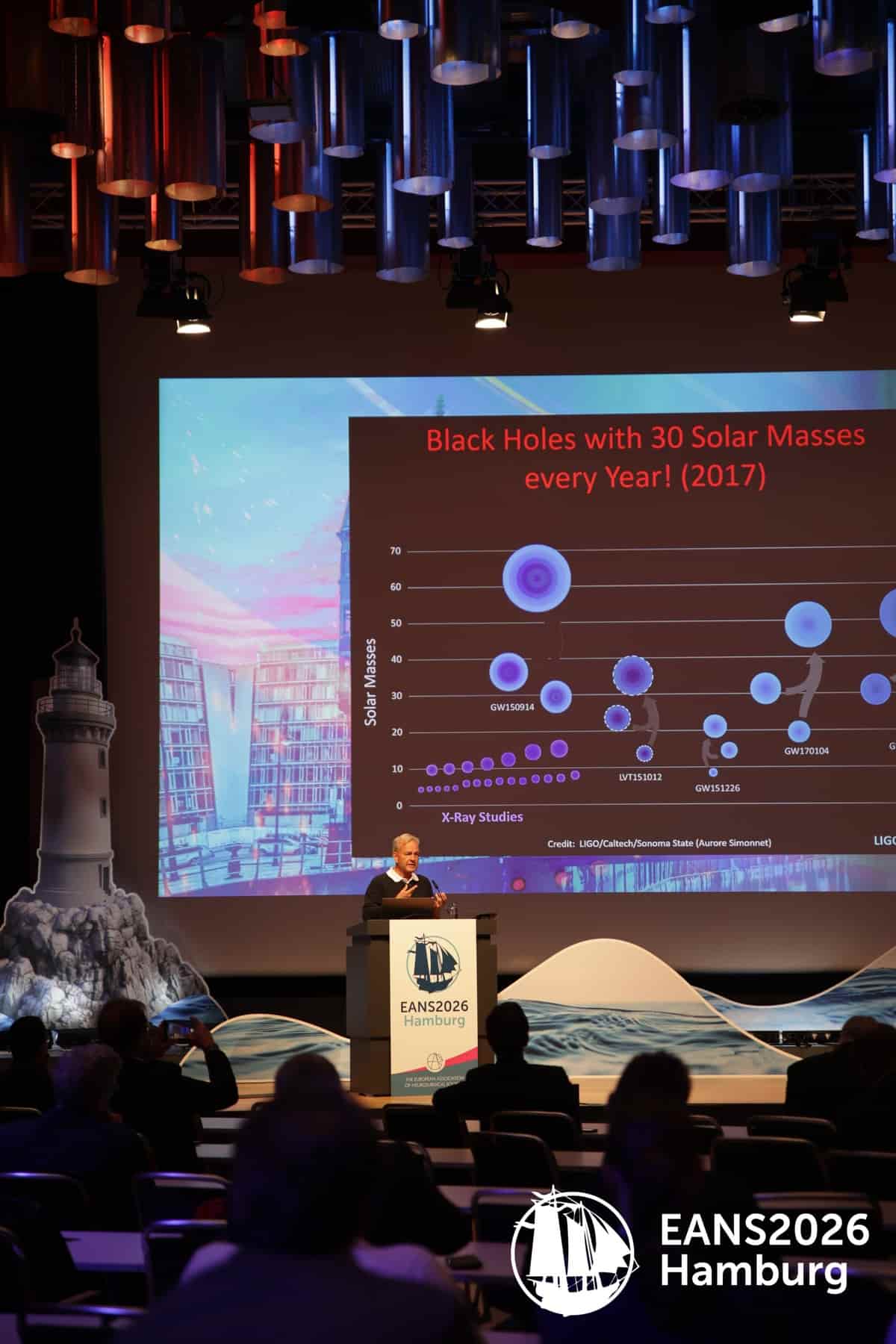
Perhaps the most memorable moment, however, took neurosurgeons far beyond the operating theatre – and beyond Earth itself. Professor Karsten Danzmann introduced the audience to the extraordinary science of gravitational-wave astronomy: how minute distortions of spacetime can be measured and how, in effect, we have learned to “hear” events such as black hole collisions.
Beyond the fascinating physics and technology, his lecture carried a message with particular resonance for scientists and clinicians
The achievements of gravitational-wave astronomy are the product of decades of persistence, focus and continued refinement of an idea whose ultimate experimental success once seemed almost impossibly distant.
It was a remarkable demonstration of what can happen when fundamental science, engineering and technological innovation are pursued over an entire research career – eventually translating from an ambitious scientific question into instruments capable of reaching into space and opening an entirely new window onto the universe.
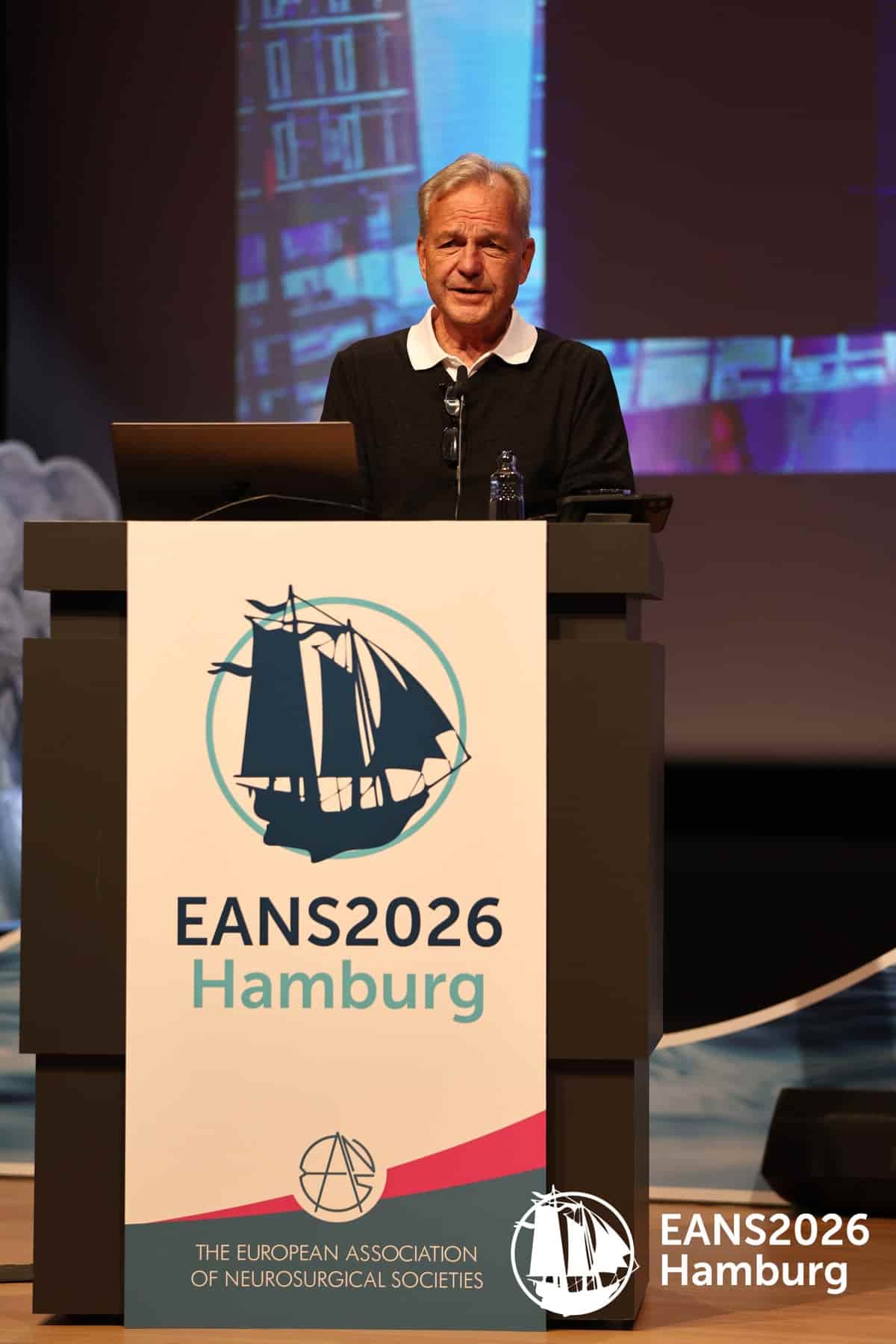
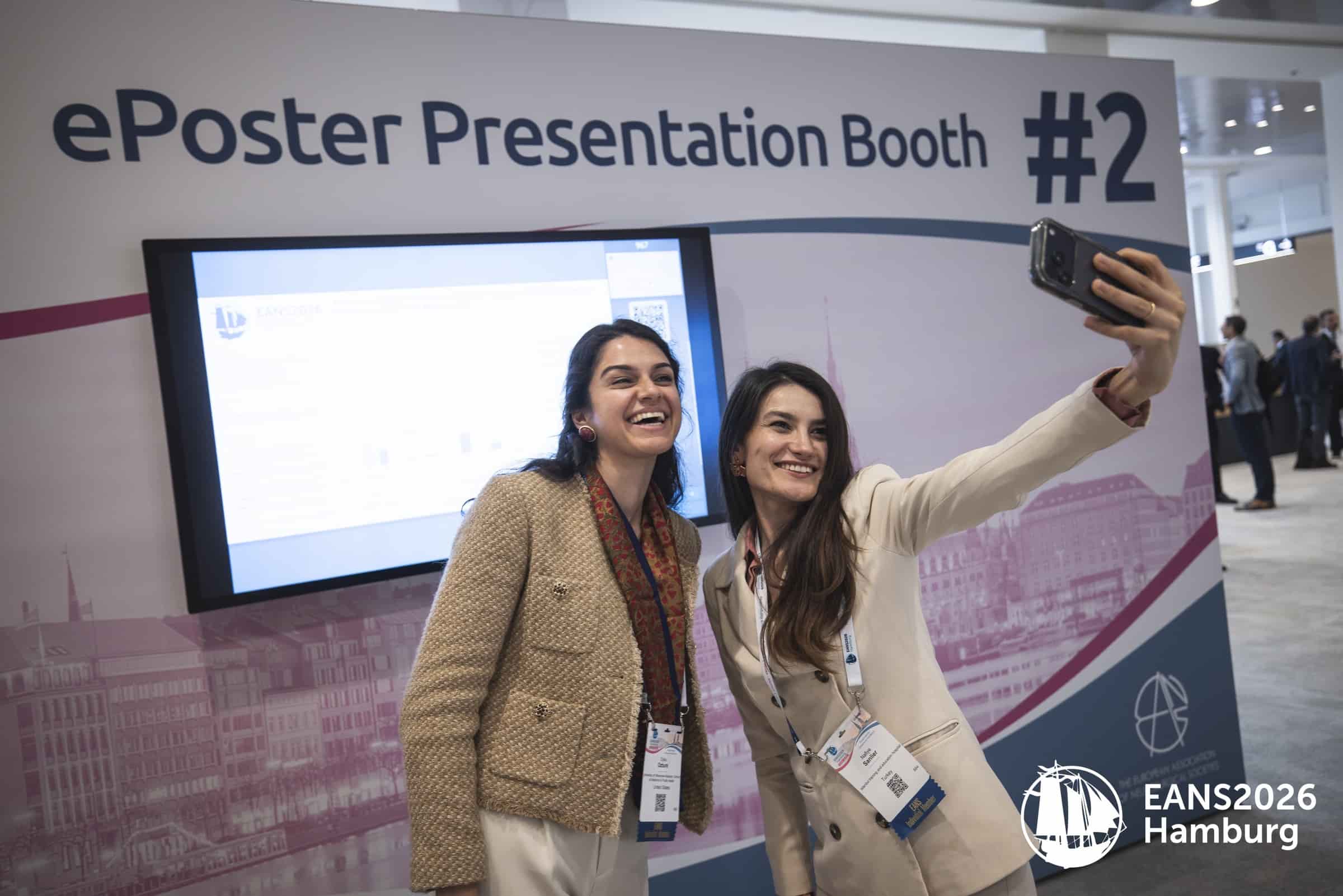
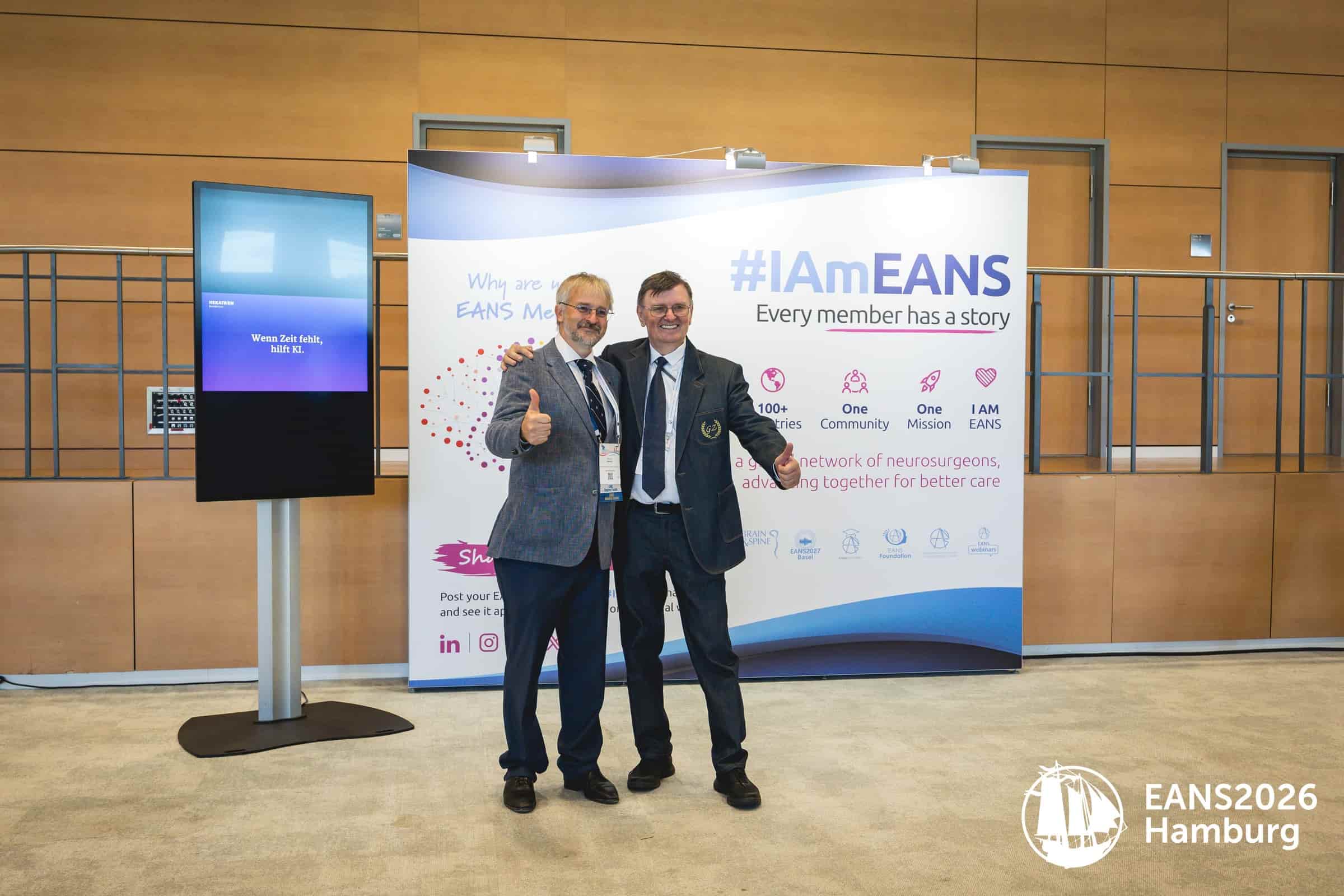
In a congress held under the motto “Responsibility, Endurance and Resilience,” it was difficult to imagine a more fitting example. Across neurosurgery, the scale may be different, but the principle is remarkably similar: ambitious questions require persistence, meaningful progress requires collaboration, and translation often begins long before its eventual clinical impact becomes visible.
Hamburg 2026 showed plenty of all three.
Award Ceremony Recognising outstanding contributions at EANS2026
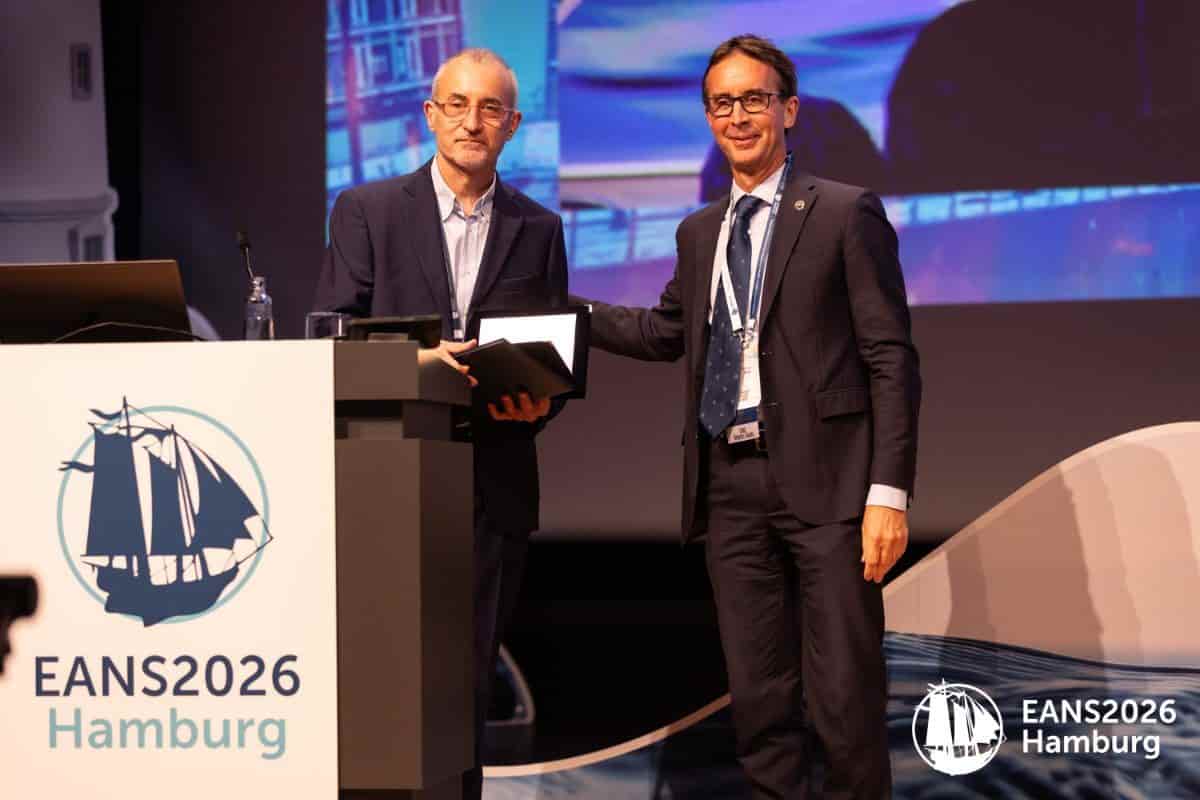
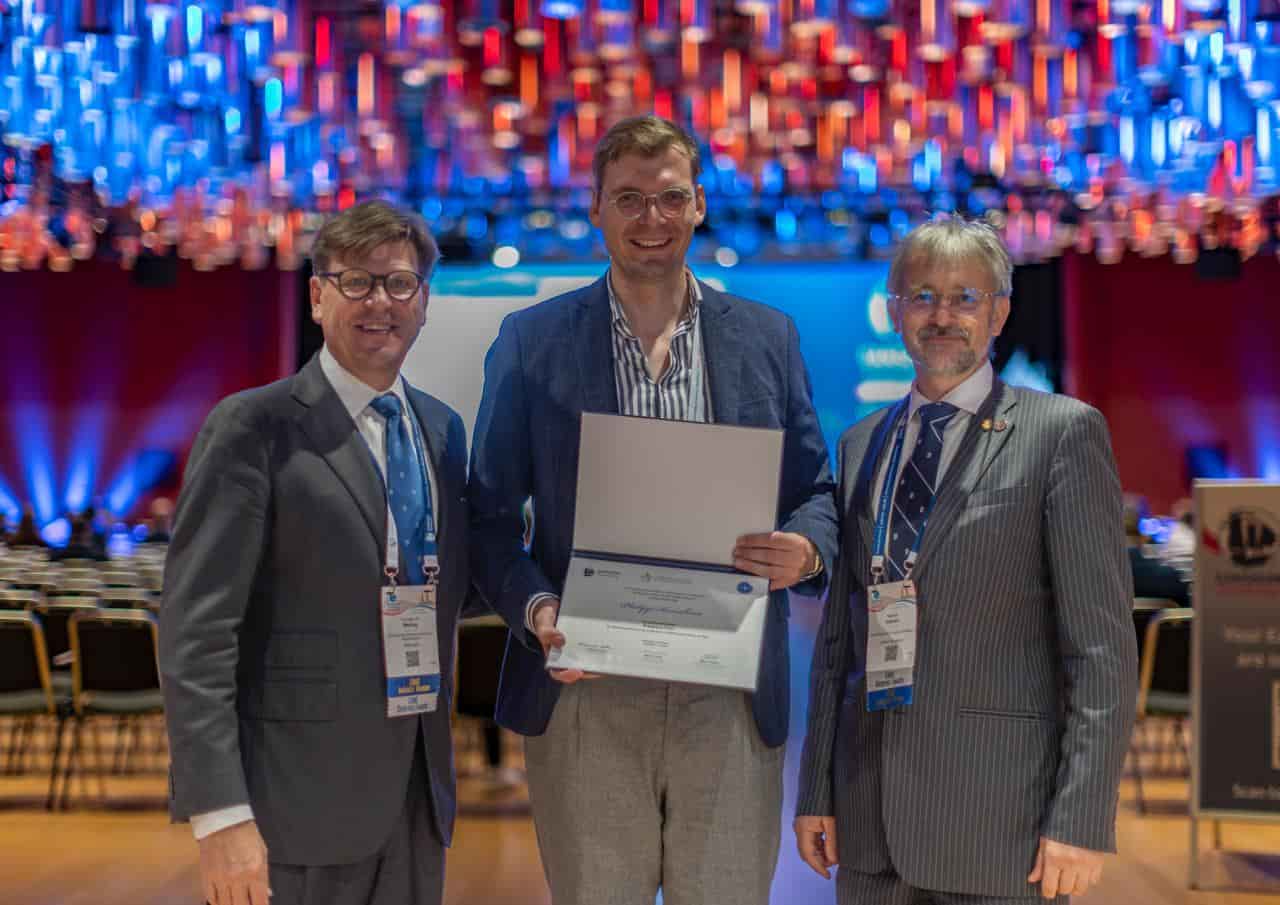
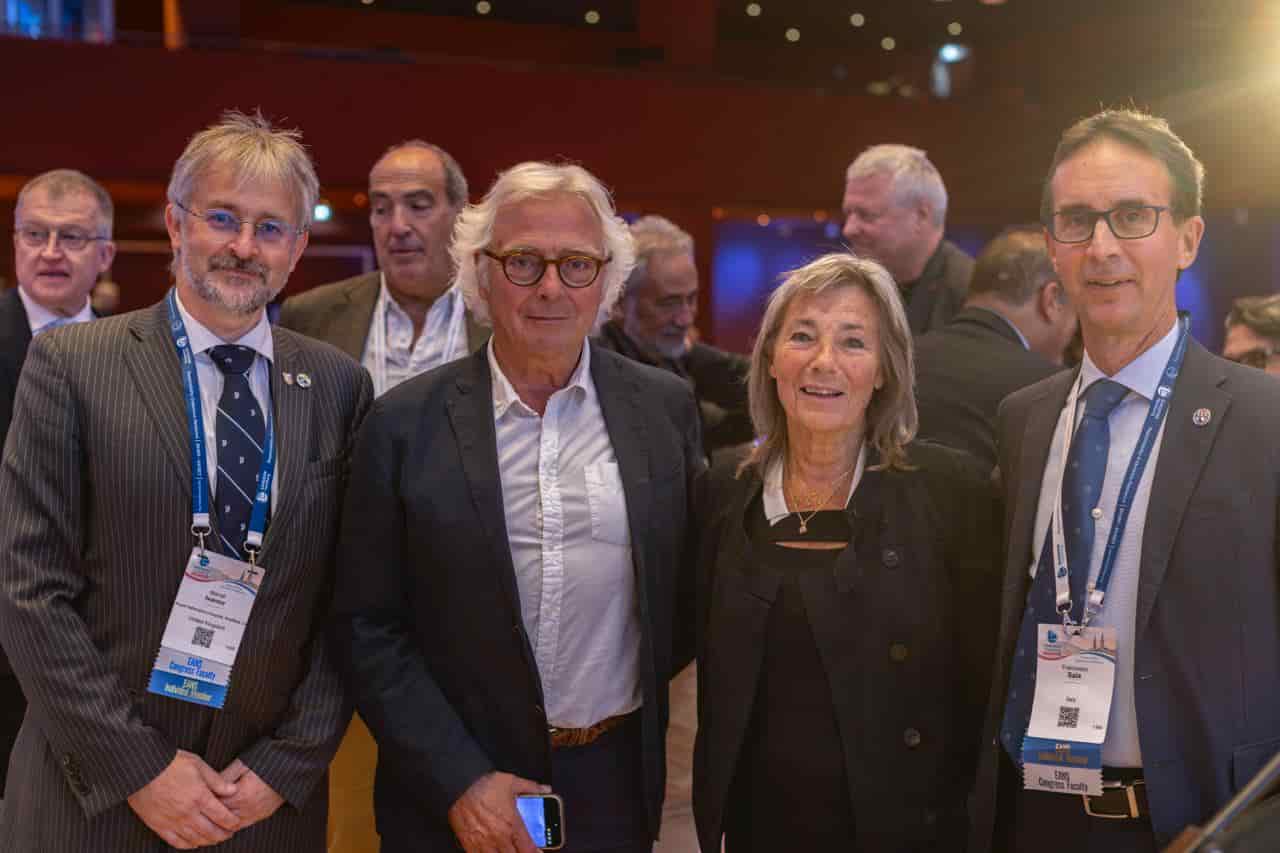
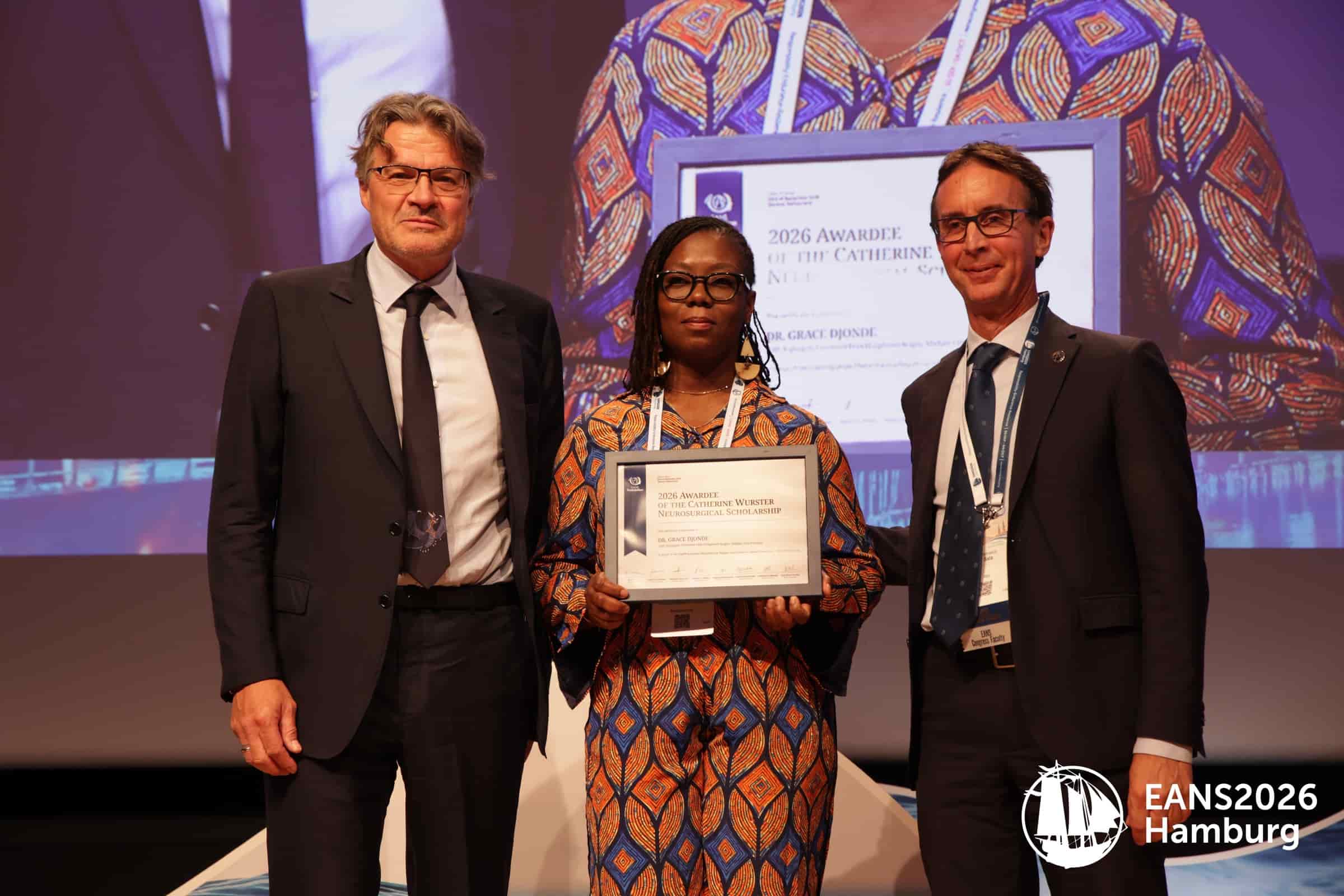
A highlight of the EANS2026 programme, the Award Ceremony brought the neurosurgical community together in Hamburg to recognise outstanding contributions to the field and celebrate those whose work continues to shape its future.
The ceremony was led by EANS President Francesco Sala and EANS Past President Torstein R. Meling, who presented the awards and highlighted the achievements of the awardees.
Among the distinctions presented were the European Lecture: A journey through the Brain Tumour Functional Interface”, awarded to Lorenzo Bello, and the 2026 Braakman Prize, awarded to Philipp Karschnia.
The Braakman Prize is awarded to the best candidate in the FEBNS Examination in Neurosurgery Part II.
These recognitions celebrated excellence across neurosurgery, highlighting significant contributions to the field and the continued development of the next generation of neurosurgeons.
EANS Individual Members’ Welcome Reception Strengthening our EANS community
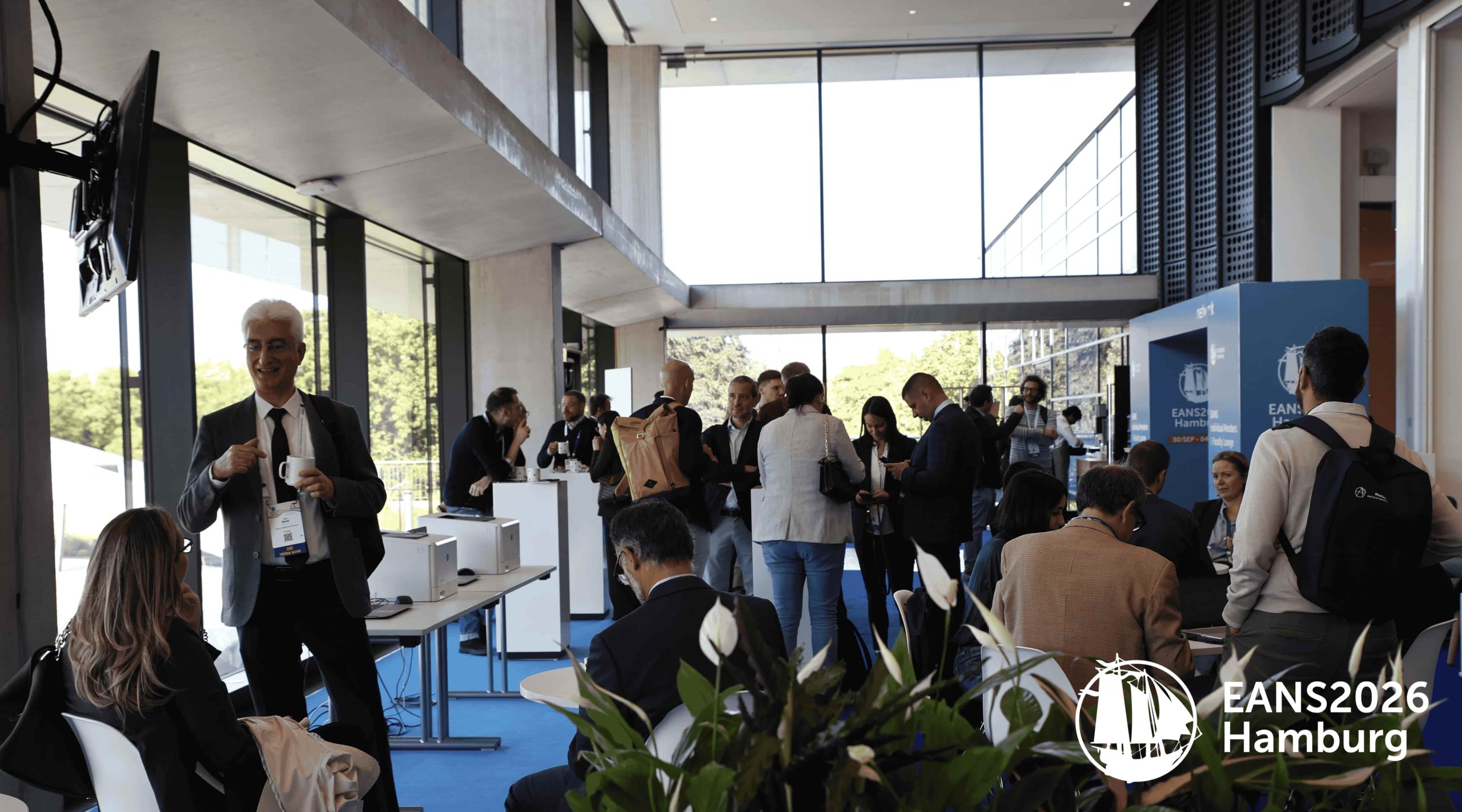
The EANS Annual Congress in Hamburg was not only a place for scientific exchange, learning and networking; it was also a great opportunity for our members to come together, connect and share their ideas.
As part of the Congress, the Individual Members’ Reception – Your Voice at EANS – brought members and the IM Committee together for an open and interactive conversation.
The Committee shared highlights and achievements from the past year, while members had the opportunity to ask questions, share their ideas and raise topics directly with the Committee.
To add a little extra excitement, participants also took part in a raffle, with one lucky member winning a free one-year EANS membership.
It was a great opportunity to listen, connect and celebrate the strength of our community. A big thank you to everyone who joined us and contributed to the conversation.
Don’t just join EANS. #BeEANS.
EANS Peripheral Nerve Surgery Pre-Congress Course 2026 A 360° Perspective on Peripheral Nerve Surgery
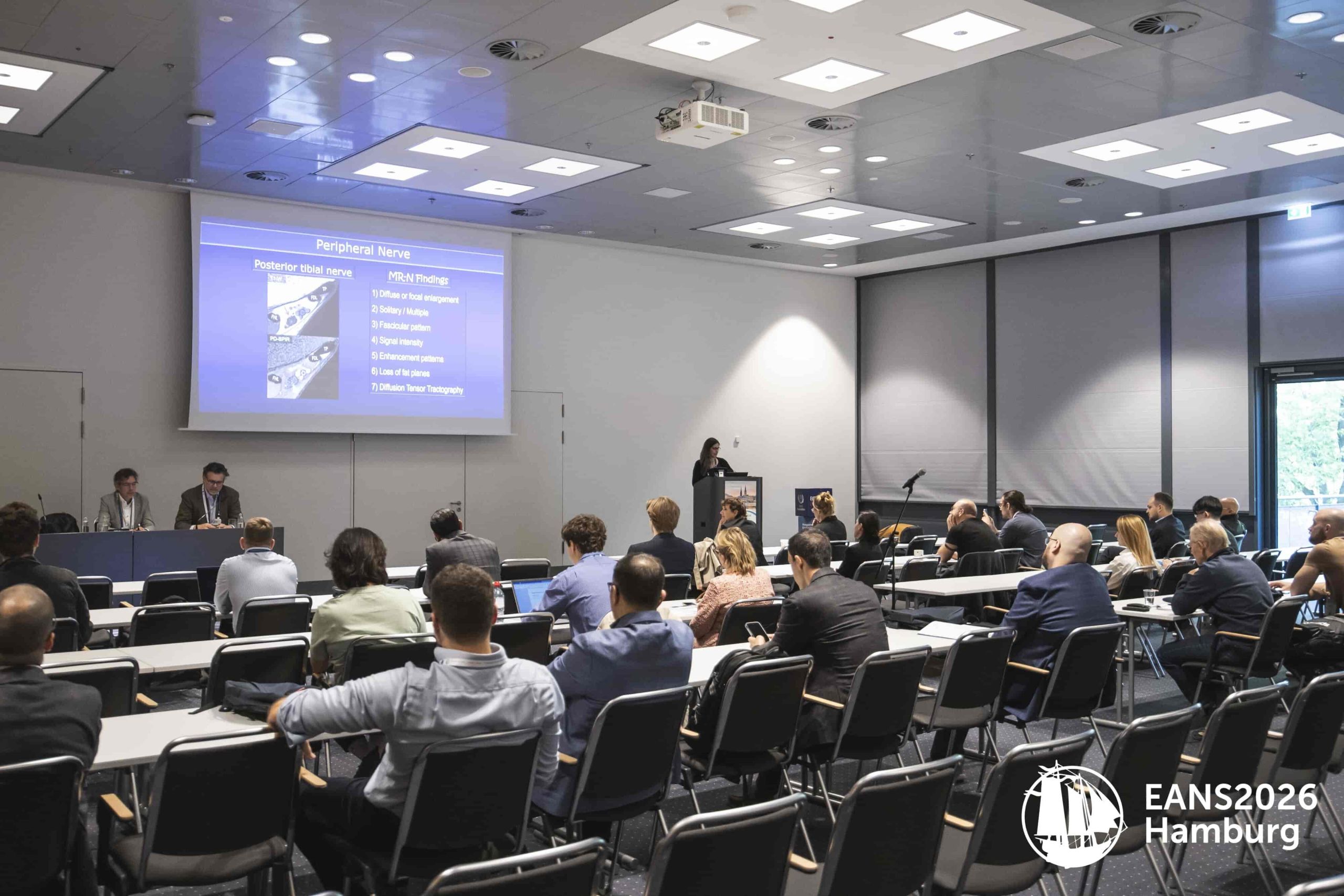
On 30 September 2026, more than 60 delegates gathered in Hamburg for the EANS Peripheral Nerve Surgery Pre-Congress Course.
Held ahead of the EANS Congress 2026, the course offered participants a comprehensive 360° perspective on peripheral nerve surgery, combining scientific foundations with practical experience, clinical decision-making and interactive discussion.
The course was structured around two major themes that represent central challenges in peripheral nerve surgery: nerve tumours and peripheral nerve entrapment syndromes.
Across both areas, the programme covered the full clinical spectrum, from fundamental science and diagnostic work-up to surgical strategies and management of complex cases. This broad approach provided participants with an opportunity to deepen their understanding not only of individual surgical techniques, but also of the reasoning and decision-making that underpin successful treatment.
A key strength of the course was its international faculty, with experts from around the world sharing their knowledge, experience and practical insights in person.
Their presentations provided an opportunity to explore current concepts and approaches while also drawing on the experience gained from treating complex peripheral nerve conditions in specialised centres. The combination of different perspectives created a stimulating environment for learning and professional exchange.
Beyond the formal lectures, discussion was deliberately placed at the heart of the programme. Time was set aside for questions, exchange of experiences and interactive case discussions, encouraging delegates to actively participate and share their own perspectives.
With more than 60 delegates in attendance, the course provided an excellent opportunity to bring together colleagues from different countries and professional backgrounds who share a passion for peripheral nerve surgery.
The successful meeting in Hamburg underlined the growing interest in this highly specialised field and the importance of dedicated educational opportunities that combine scientific knowledge, clinical expertise and open discussion.
The EANS Peripheral Nerve Surgery Pre-Congress Course 2026 was a valuable day of learning, exchange and collaboration — and a fitting start to the EANS Congress in Hamburg.
Art in Neurosurgery
EANS research committee welcomes you to a unique exhibition showcasing the intersection of art, research and human experience at the EANS206 Congress.
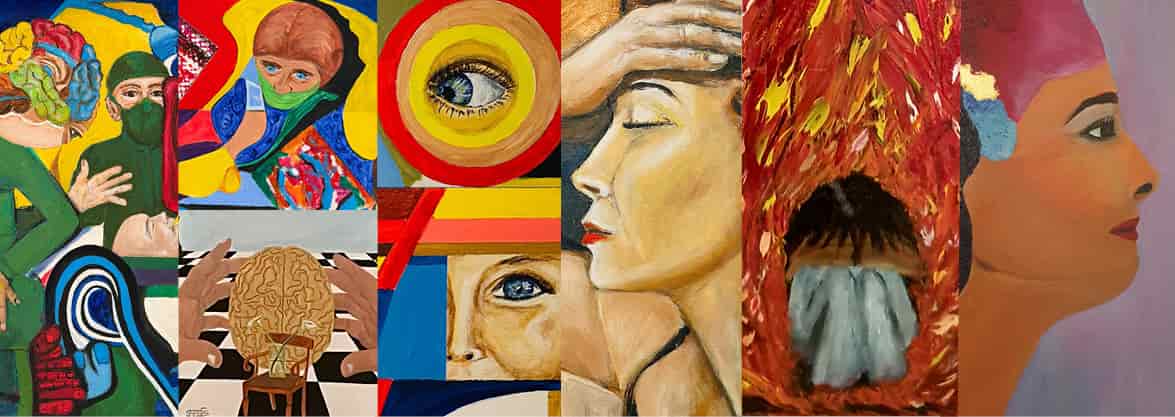
Throughout history, scientific discoveries have inspired artists, while artistic expression has offered scientists new ways of observing, interpreting and understanding the human mind.
At the turn of the twentieth century, Vienna became a remarkable meeting place for art, medicine and scientific discovery. As explored by Nobel laureate Eric Kandel in The Age of Insight, the exchange of ideas between the Vienna School of Medicine and artists such as Gustav Klimt, Egon Schiele and Oskar Kokoschka helped shape new ways of understanding human experience. In Klimt’s famous Portrait of Adele Bloch-Bauer I, for example, the decorative motifs of her golden dress have been inspired by early images of cells under microscope.
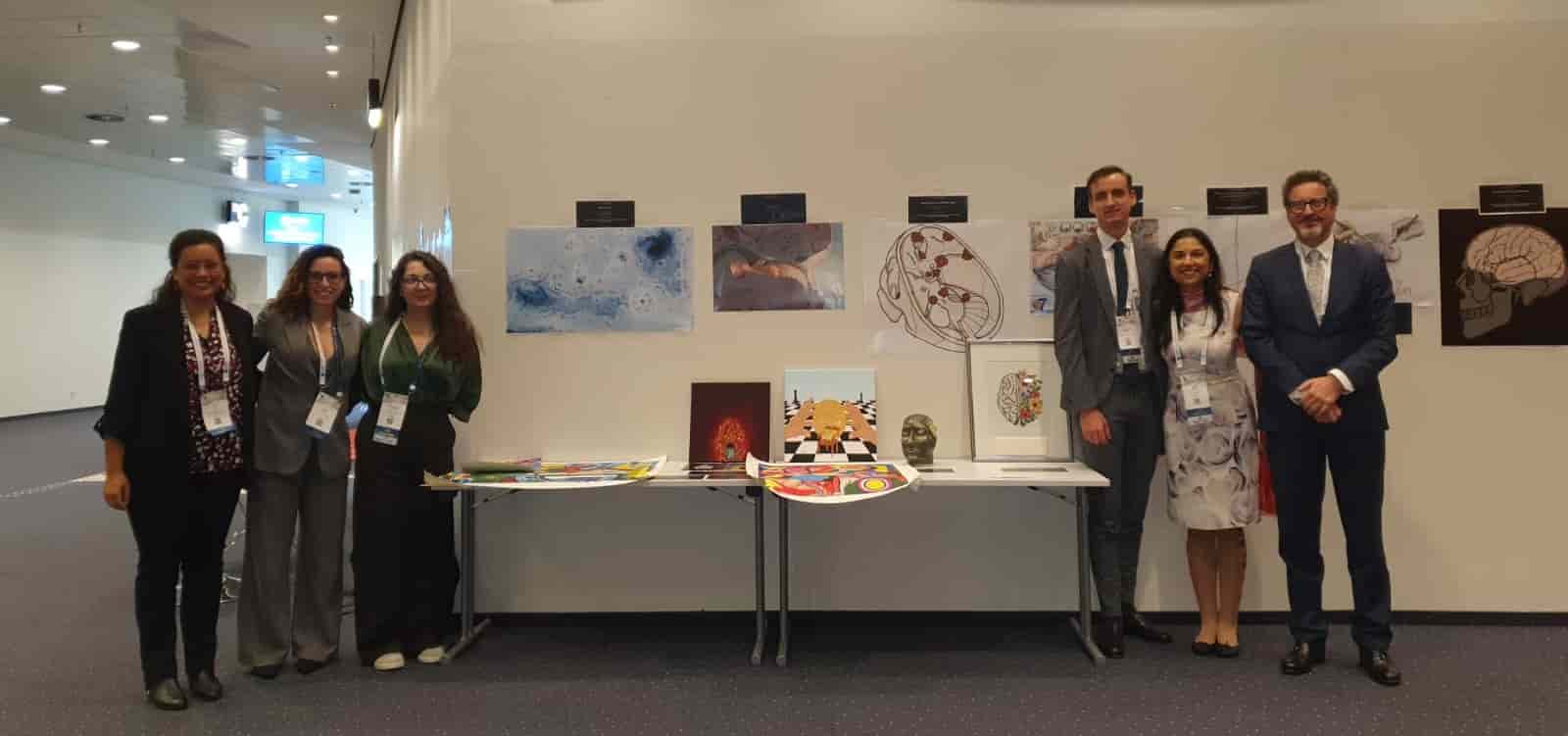
Inspired by this longstanding dialogue, Art in Neurosurgery explores therefore three interconnected dimensions of the relationship between art, neuroscience and neurosurgery.
The exhibition rests on three pillars. First is the intersection of art and neuroscience: how our understanding of the brain influences artistic creation and, conversely, how art challenges our perceptions, inspires scientific curiosity and opens new avenues for research.
The second is the power of art as a means of expression for patients facing neurological disease or injury. When illness changes movement, language, perception or identity, art can offer another way to communicate experiences that words alone may fail to capture. Beyond its potential therapeutic value, artistic expression gives patients a voice and allows us to see neurological conditions through the eyes of those living with them.
The third is the neurosurgeon as an artist. Neurosurgery demands scientific knowledge and technical precision, but it also calls for creativity, spatial imagination, interpretation and an appreciation of the extraordinary complexity of the human brain. Neurosurgery is also a high demand profession, one requiring endurance, compassion and dedication.
In this exhibition themes of neurosurgeon’s self-expression along with their unique contributions to depictions of the human brain, neurosurgical procedures and anatomy are displayed and bring the three mentioned dimensions to full circle.
Art in Neurosurgery showcases how science inspires art, art gives voice to our experiences, and artistic imagination returns to enrich neuroscience, neurosurgery and research.
We hope you enjoy this exhibition as much as we enjoyed while creating it!
Your EANS Story Starts Here!
#IAmEANS Competition
Every EANS member has a story – share what inspired you to become an EANS member, how EANS has shaped your neurosurgical journey, and what being part of this community means to you. Your story could inspire fellow neurosurgeons and help others discover the opportunities and connections that come with being part of EANS.
Share your story on social media, use #IAmEANS &
win a One-Year EANS Individual Membership.
Best story wins!

Be part of the EANS2026 social media community for your chance to win free registration to the EANS2027 Congress in Basel!
Taking part is simple:
1. Capture your EANS2026 moment
Take a photo that shows your EANS experience.
2. Share it on social media
Post your photo on LinkedIn, Instagram, Facebook or X using #EANS2026.
3. Get your friends involved
Ask your friends and colleagues to like your post on the EANS2026 Social Wall.
The post with the most likes on the EANS2026 Social Wall will win free registration to the Congress.
So, get creative, share your EANS2026 moment and start collecting those likes.
Basel is waiting!

We’re partnering with Memento Photo, an AI-powered platform that uses facial recognition to deliver your EANS2026 photos to you in real time! Scan the QR code you’ll find at the designated spots throughout the Congress and create your personalised photo profile.
Follow us on Social media and
stay tuned for the rest of the Journey!
Copyright © 2026 EANS, All rights reserved
Our mailing address is:
The European Association of Neurosurgical Societies
Rue d’Egmont 11, BE-1000, Brussels, Belgium
www.eans.org