

Evidence, innovation and a Nobel Laureate Day 3 in Hamburg
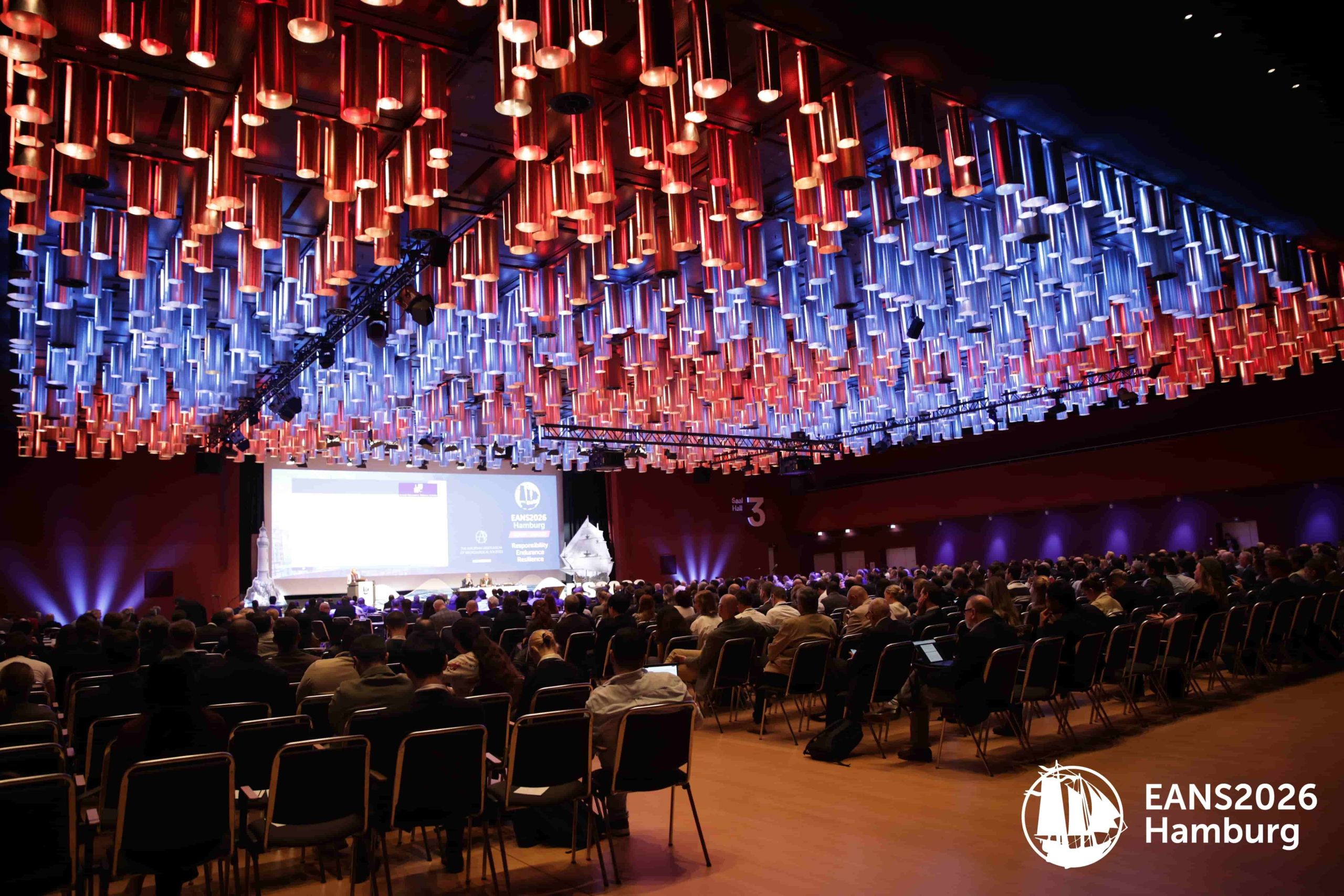
The third day of the EANS2026 Congress in Hamburg was devoted to evidence: what we know, how we generate it, and how far it can carry us. From the early-morning sessions on intracerebral haemorrhage, chronic subdural haematoma and novel brain tumour diagnostics to the Neuro-Oncology Plenary on clinical trials and a keynote by Nobel Laureate Stefan W. Hell, the programme kept returning to one question: how do promising ideas become proven practice?
The morning opened with eight parallel sessions. In “Spontaneous ICH”, chaired by Dorothee Mielke and Menno Germans, Jürgen Beck (Universitätsklinikum Freiburg) reviewed guideline-based management and the current consensus towards a more active surgical approach. Sae-Yeon Won (University of Rostock) addressed the limited and largely indirect evidence for infratentorial haemorrhage, while Andreas Raabe discussed current and future trials in the field. The session “Modern Management of Chronic Subdural Hematoma” brought an updated European consensus on middle meningeal artery embolisation, presented by Jiri Bartek (Karolinska University Hospital), alongside the Swedish SWEMMA randomised trial comparing embolisation with surgical evacuation. In the Neuro-Oncology Morning Session, speakers explored local therapies beyond resection, including laser interstitial thermal therapy, focused ultrasound and blood–brain barrier opening, as well as rapid intraoperative diagnostics: Maria Charlotte Brielmaier (Charité – Universitätsmedizin Berlin) reported on establishing intraoperative nanopore sequencing, and Melika Akhbari (University of Oxford) presented a mass-spectrometry tissue classifier that identified glioma tissue with 97% sensitivity and 95% specificity.
Technology was also at the centre of the joint Spine–ETIN session, where Victor Staartjes (University Hospital Zurich) presented a prospective multicentre study of 902 patients in which robot-assisted and navigated thoracolumbar instrumentation did not reduce clinically relevant revision surgery compared with the freehand technique. The morning was completed by sessions on posterior fossa and petroclival surgery, the ETIN Parallel Session, the CSF Section Masterclass and the Peripheral Nerve Surgery Masterclass, “Peripheral Nerve Surgery in Dark Times: War Injuries in Past and Present”, which linked the history of nerve repair with today’s experience of treating gunshot injuries.
The second morning block offered further variety. Philippe Metellus, Marcus Czabanka and Maximilian Ruge discussed the changing role of surgery and radiosurgery for brain metastases in the era of modern systemic therapy, while David Netuka, Luca Regli and Marco Cenzato covered symptomatic and asymptomatic carotid stenosis and carotid occlusion. In the trauma session on TBI registries, Peter Hutchinson (University of Cambridge) made the case for TBI as a notifiable disease and updated the audience on the global GEO-TBI registry. The Individual Membership Committee session “Advancing in Your Neurosurgical Subspecialty” gave five leaders – Peter Vajkoczy, Simone Peschillo, Margret Jensdottir, Claudius Thomé and Michaël Bruneau – the opportunity to share their own career journeys, while the Young Neurosurgeons neuro-oncology session offered practical advice on building an academic career. In the lumbar degenerative session, a randomised trial from Portugal found no additional benefit from intraoperative epidural steroids after full-endoscopic lumbar discectomy.
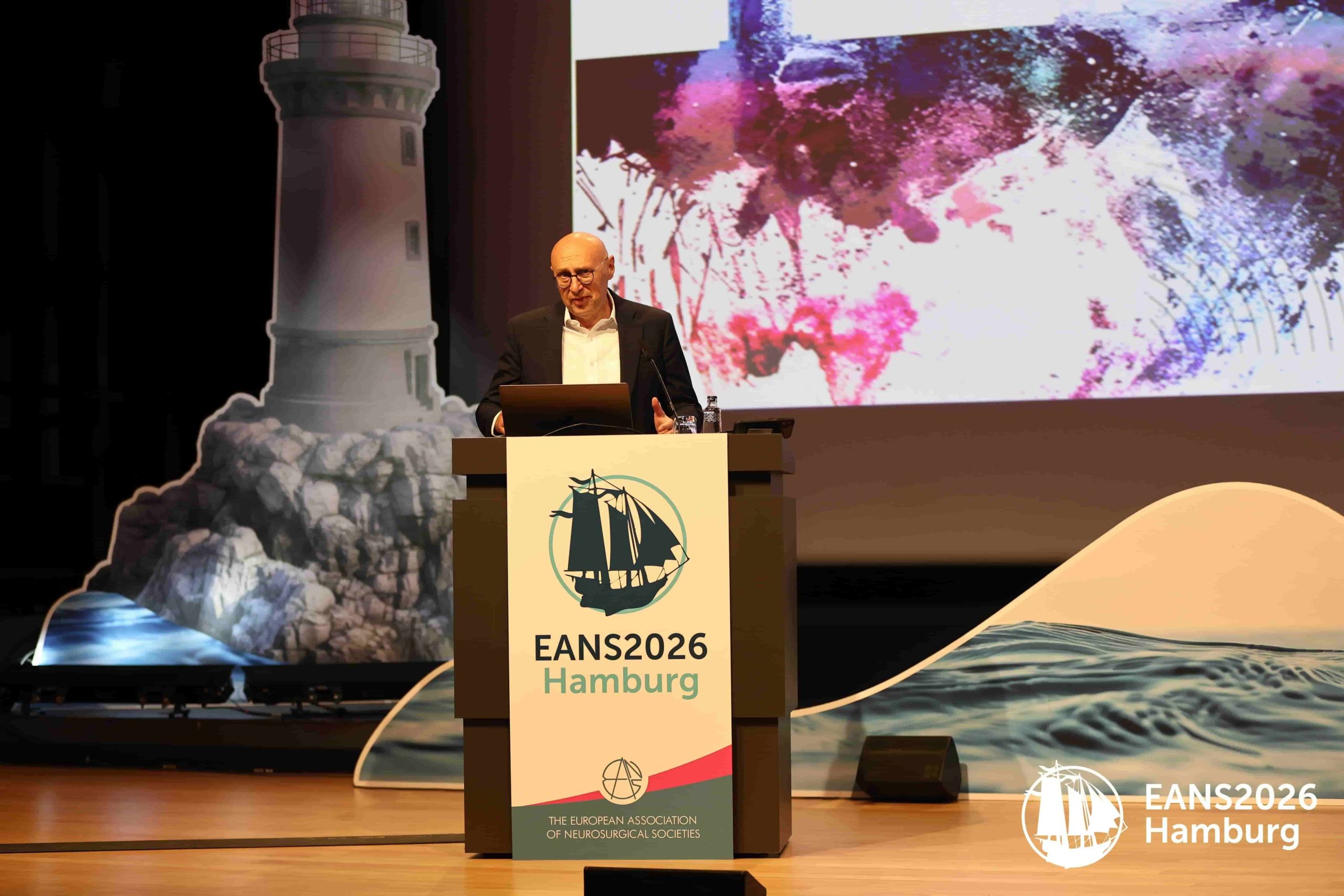
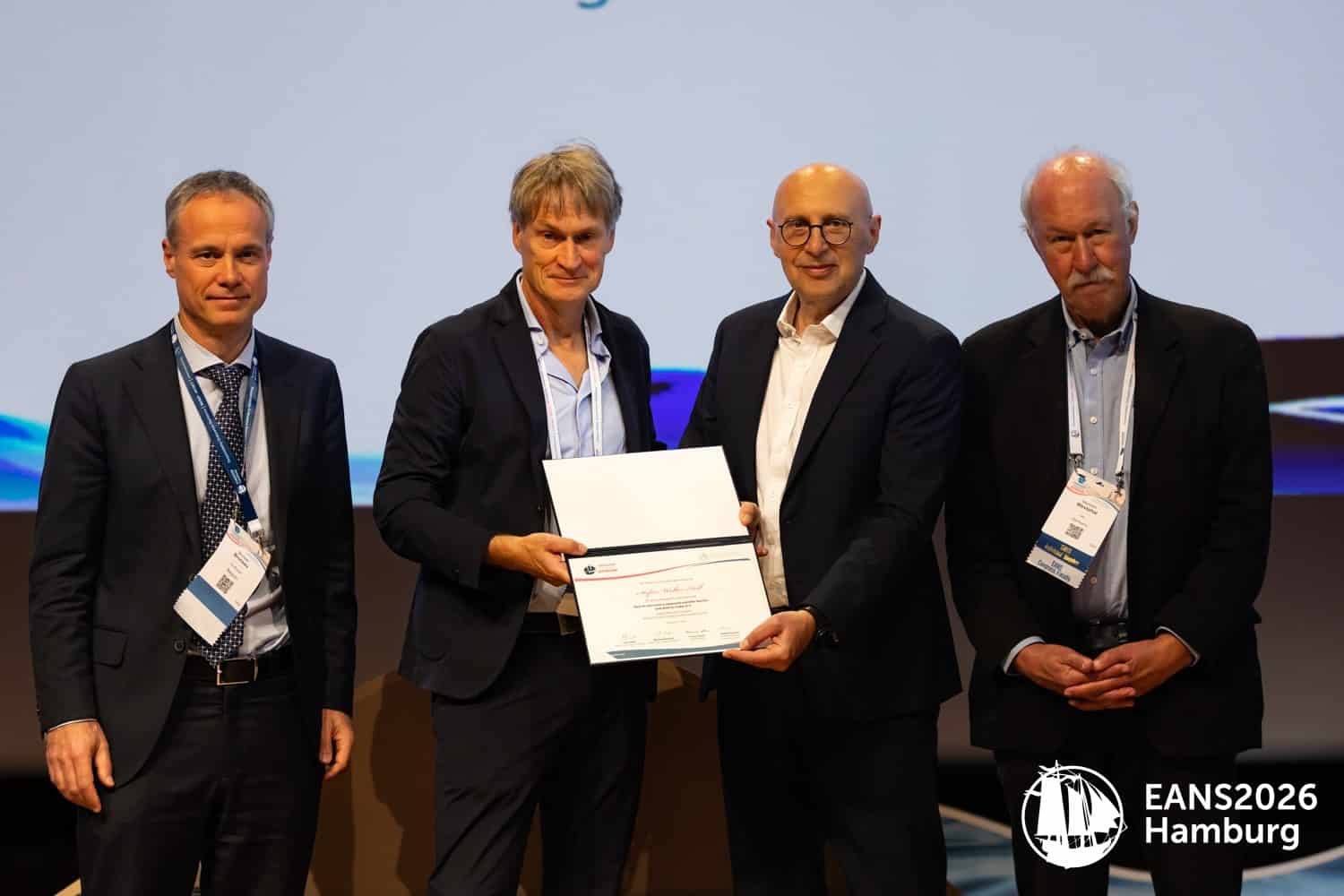
The plenary was followed by the second Keynote Talk of the congress. Introduced by Congress President Veit Rohde and EANS Scientific Liaison Michaël Bruneau, Nobel Laureate Stefan W. Hell, Director at the Max Planck Institute for Multidisciplinary Sciences in Göttingen and the Max Planck Institute for Medical Research in Heidelberg, spoke on “How to overcome a supposed scientific barrier … and what to make of it”.
In 2014, he received the Nobel Prize in Chemistry, together with Eric Betzig and William E. Moerner, for the development of super-resolved fluorescence microscopy. For more than a century, the diffraction limit described by Ernst Abbe in 1873 was regarded as absolute: a light microscope could not resolve structures closer together than about 200 nanometres. Drawing on his own scientific biography, Hell described how this limit was radically overcome in fluorescence microscopy. By switching fluorescent molecules on and off, neighbouring features can be separated in time rather than in space – the principle behind STED microscopy.
Newer methods such as MINFLUX and MINSTED now reach resolutions of 1–3 nanometres, about the size of the fluorescent molecules themselves, opening new applications for light microscopy in biomedicine. In a congress devoted to Responsibility, Endurance and Resilience, his message carried well beyond optics: some of the limits we accept are assumptions rather than laws of nature, and questioning them can open entirely new fields.
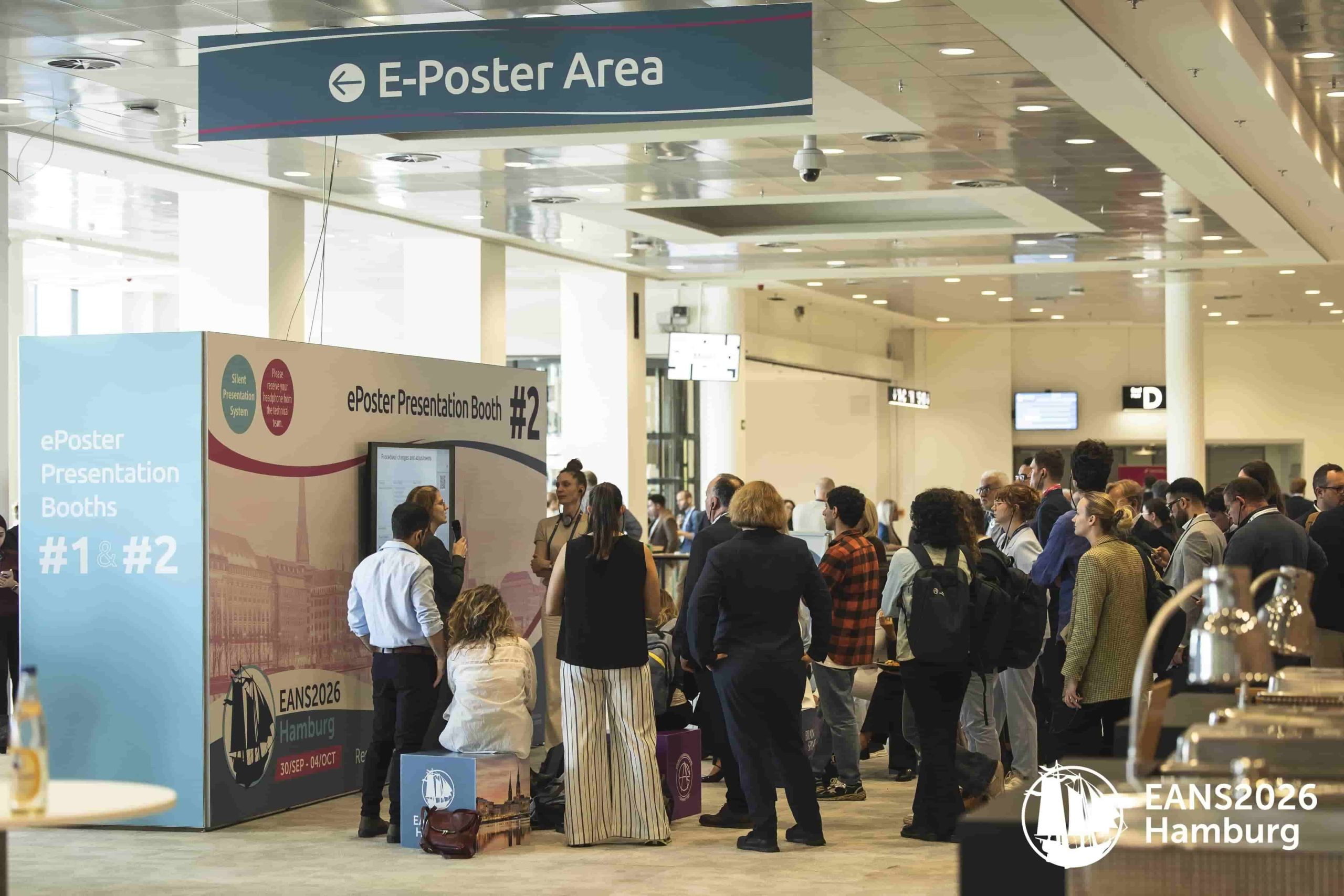
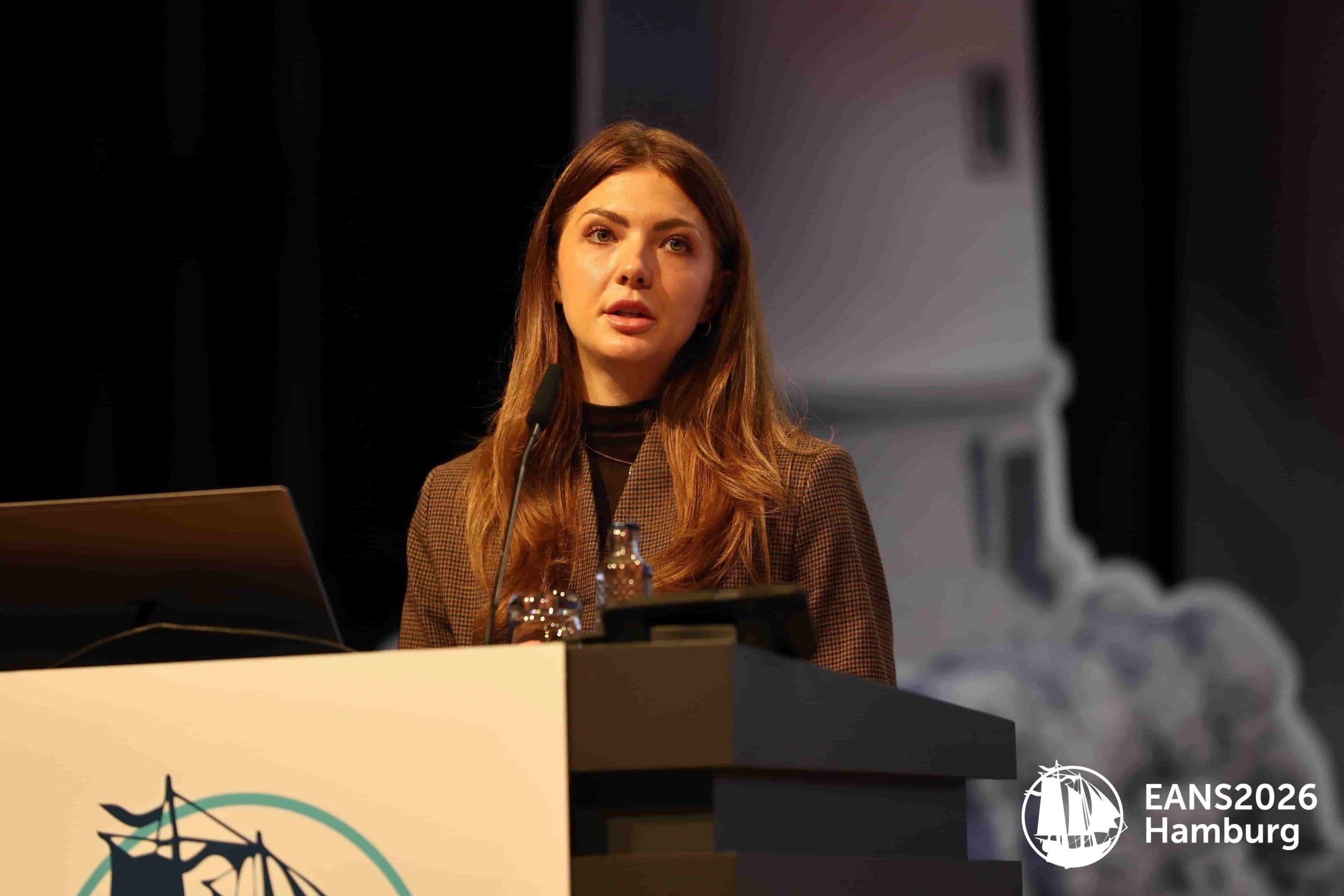
After lunch, three spotlight sessions looked beyond the operating theatre. In “Rise Europe”, chaired by Vanessa Hubertus and Katrin Rabiei, Suzanne Dickson, President of the European Brain Council, spoke on advocating for the brain in Europe, Tomás Ryan (Trinity College Dublin) on the competitiveness of European neuroscience, and Klaus Novak (Medical University of Vienna) on how to bring ideas into clinical trials. An AI-driven analysis of 2,282 EANS congress abstracts showed a 47% growth in output but a continuing dominance of high-income countries. The Global and Humanitarian Spotlight, “Building Resilient and Sustainable Neurosurgery”, brought together perspectives from Africa (Hervé Monka Lekuya), small countries (Ellianne dos Santos Rubio, Curaçao) and North America (Robert Dempsey), while Andreas Demetriades called for ethical and sustainable systems for global surgical impact. Reflecting the congress theme of Responsibility, Endurance and Resilience, the Geriatric Spotlight Session addressed neurosurgery for an ageing Europe, with Eric Schmidt (University Hospital Toulouse) and Michaël Bruneau presenting geriatric co-management from the EUGMS and EANS perspectives, and Veit Rohde discussing its health economics.
The EANS Guidelines session on lumbar disc herniation, chaired by Andreas Demetriades and Nikolay Konovalov, presented recommendations endorsed by EUROSPINE, covering conservative treatment, physiotherapy, epidural steroids, prehabilitation, outcome measurement and recurrent herniation. The IONM session on intramedullary spinal cord tumour surgery, chaired by Kathleen Seidel, opened with Francesco Sala discussing a functional approach to these tumours and included preliminary results from the randomised TRANSEKT trial, which found no difference in postoperative motor outcome between transcranial and direct cortical stimulation for motor evoked potential monitoring.
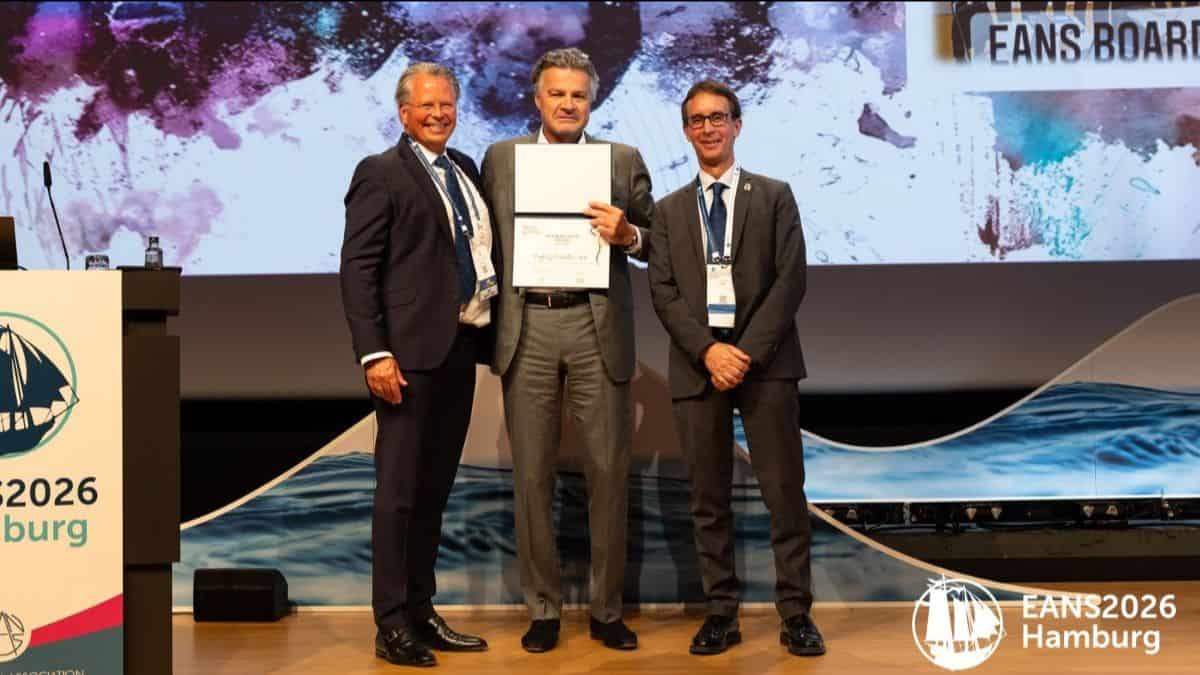
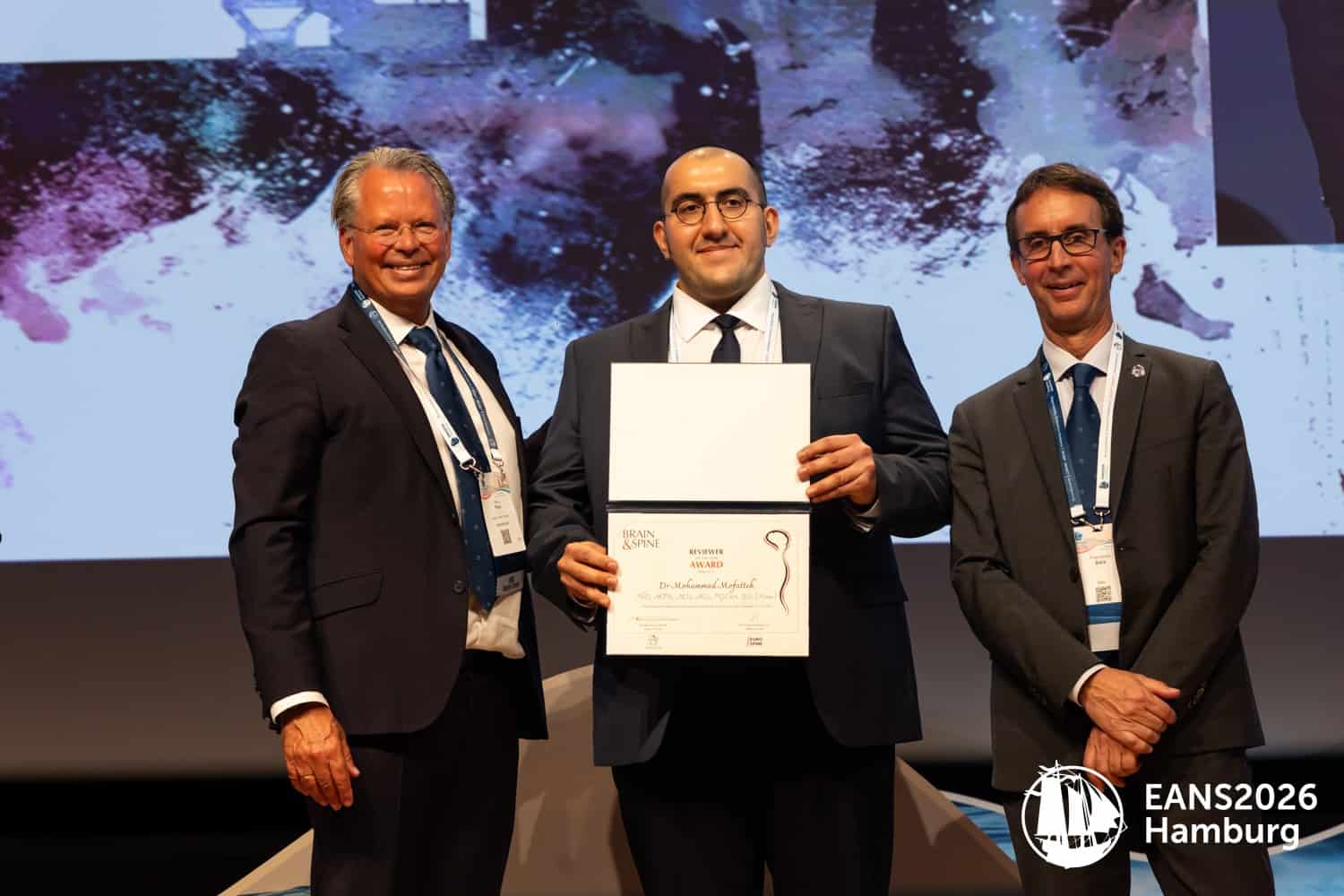
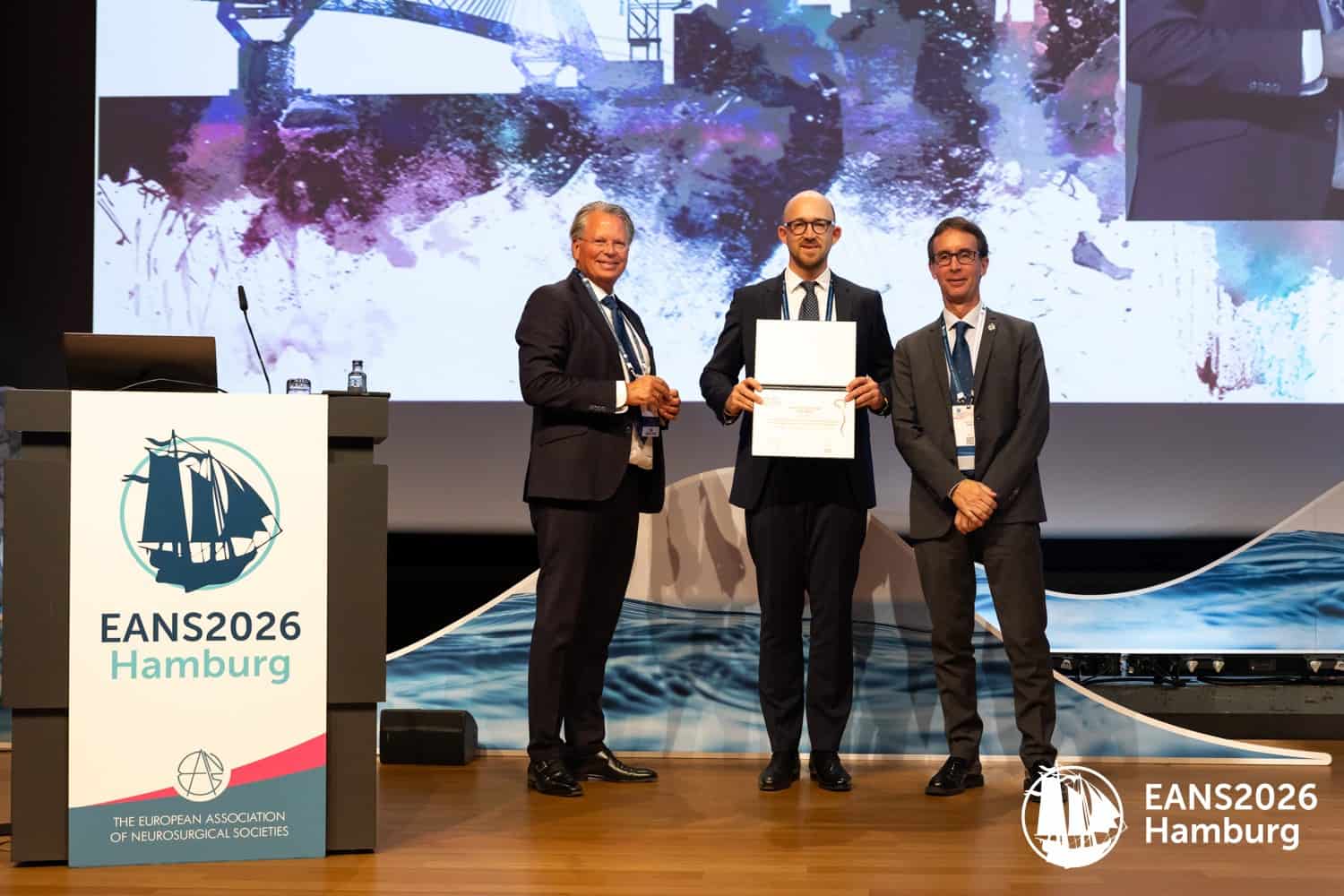
In the Brain & Spine Plenary – Five Years of Our Own Journal – chaired by Editor-in-Chief Wilco Peul and EANS President Francesco Sala, the Association celebrated five years of its own journal. Peul recalled the creation of the journal and its aims in 2020 and presented its milestones and future strategy; as reported at the General Assembly, Brain & Spine has reached an Impact Factor of 2.7 and a CiteScore of 2.9.
The Honorary Editor Award was presented to Karl Schaller, founding father of the journal. Mohammad Mofatteh (Queen’s University Belfast) received the Best Reviewer Award, and Felix Stengel (Kantonsspital St. Gallen) the Best Scientific Paper Award for “Can AI Pass the Written European Board Examination in Neurological Surgery? – Ethical and Practical Issues”. In this study, large language models answered representative single-best-answer questions from previous EANS board examinations; the best model scored 62% compared with 59% for human candidates, although none of the models answered an image-based question correctly.
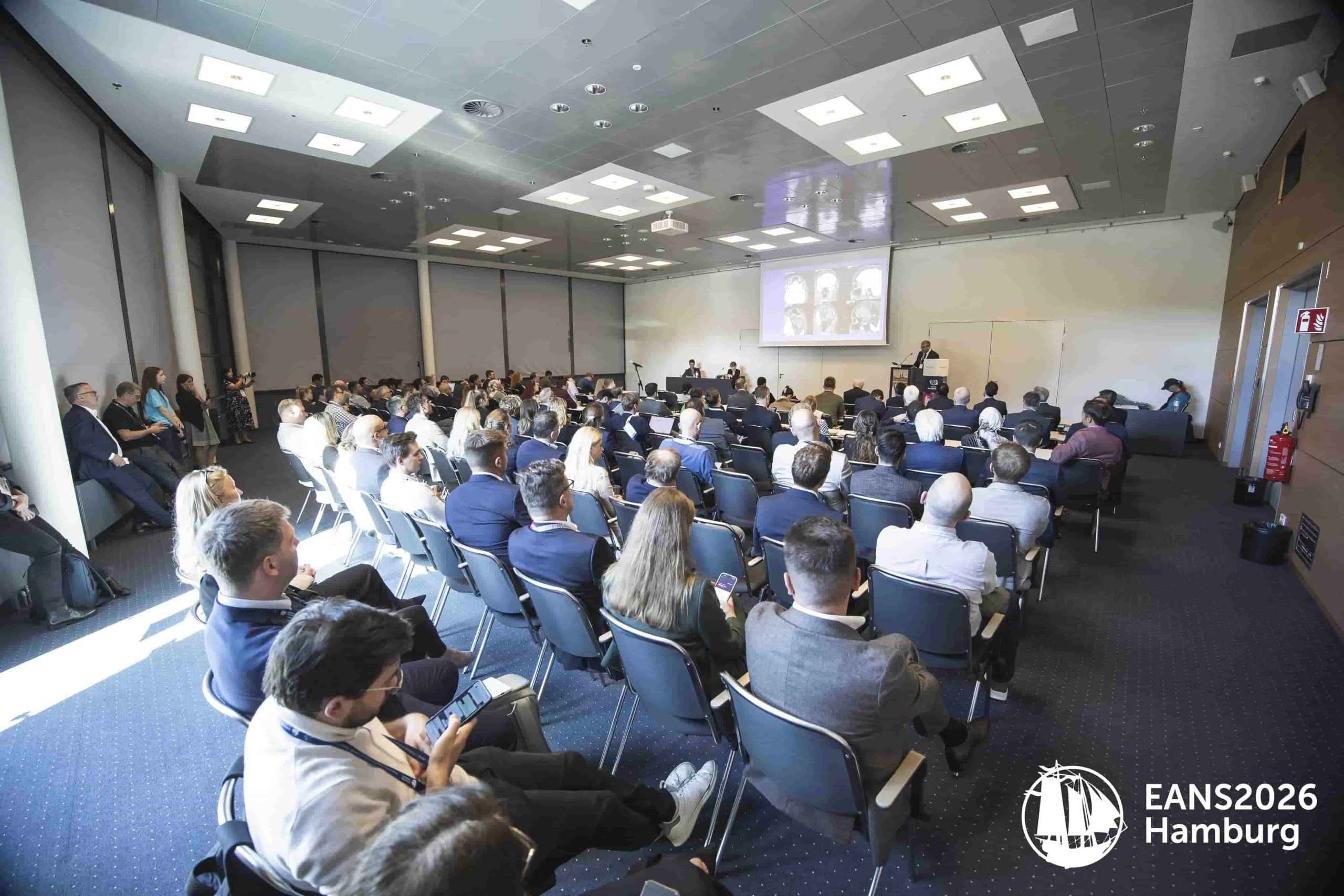
Yesterday, we saw how much of neurosurgical progress depends on rigorous clinical trials, honest registries and the questioning of accepted standards and limits.
Fellow of European Board of Neurological Surgery (FEBNS) Graduation Ceremony
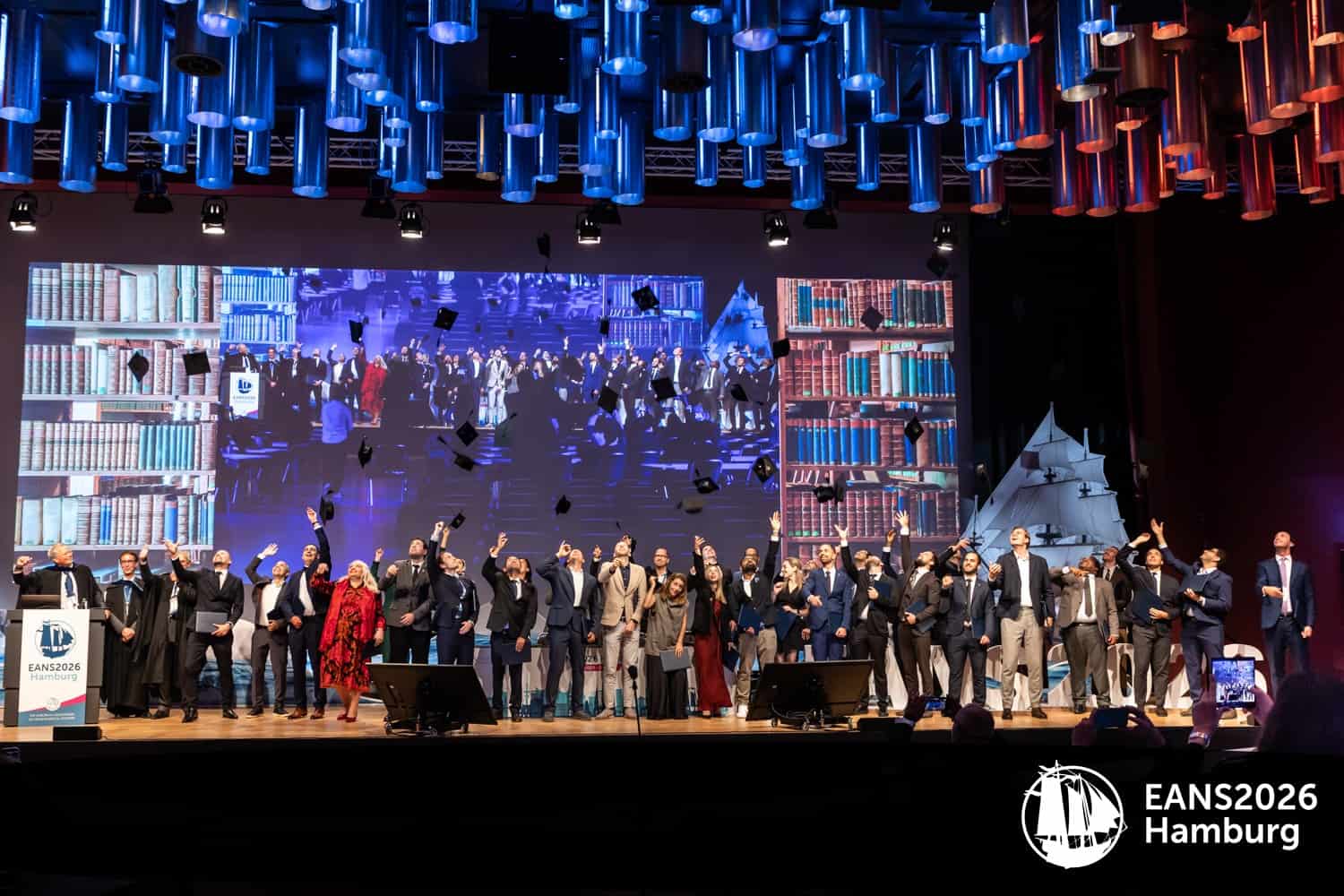
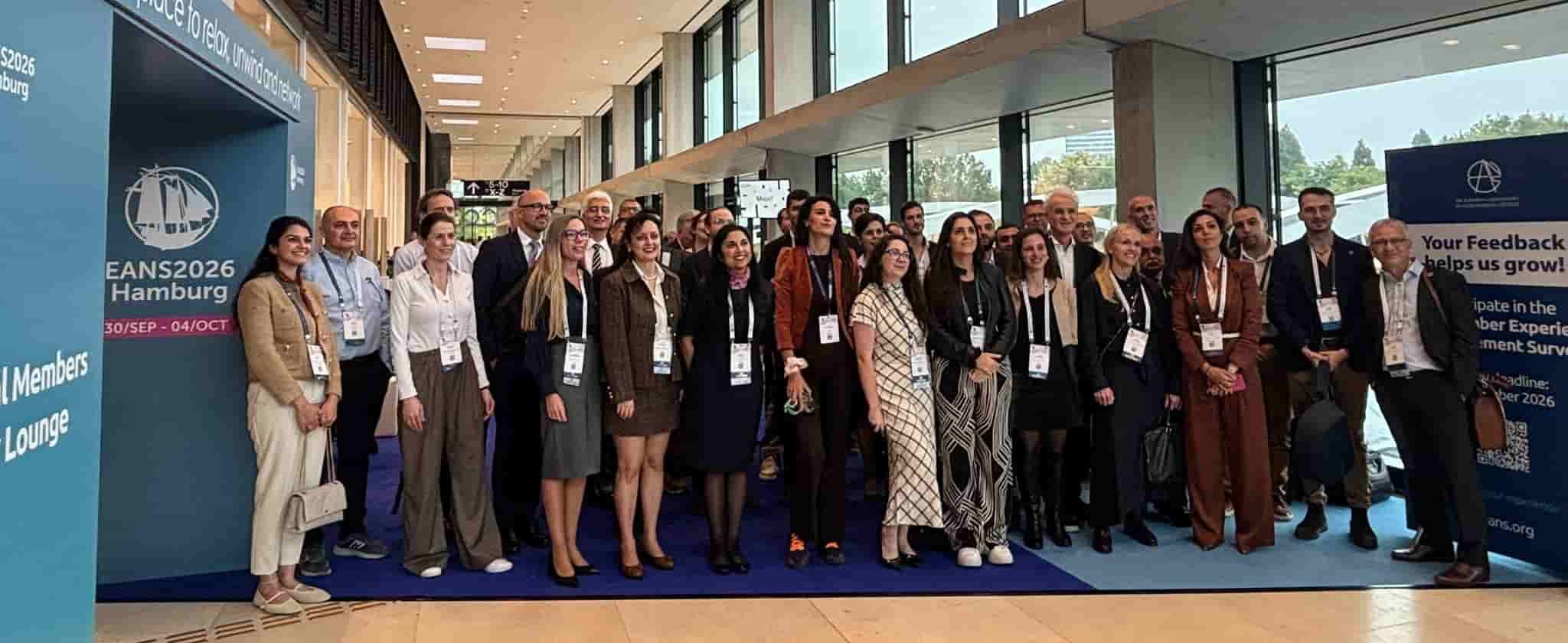
For the third consecutive year, EANS marked the successful completion of the European Board of Neurological Surgery (FEBNS) examinations by welcoming its newly appointed fellows. Held as part of the EANS2026 Congress, the ceremony honored the commitment, determination, and achievement of neurosurgeons who successfully completed both Part I and Part II of the FEBNS examination. A total of 67 candidates were involved in the examination process, with 37 successfully completing the requirements to become FEBNS Fellows.
The continued celebration of this milestone reflects the shared commitment of EANS and the UEMS Section of Neurosurgery to maintaining high standards of neurosurgical education and professional practice across Europe. Earning the FEBNS Diploma represents an important professional achievement, demonstrating clinical competence and dedication to the ongoing development of neurosurgery.
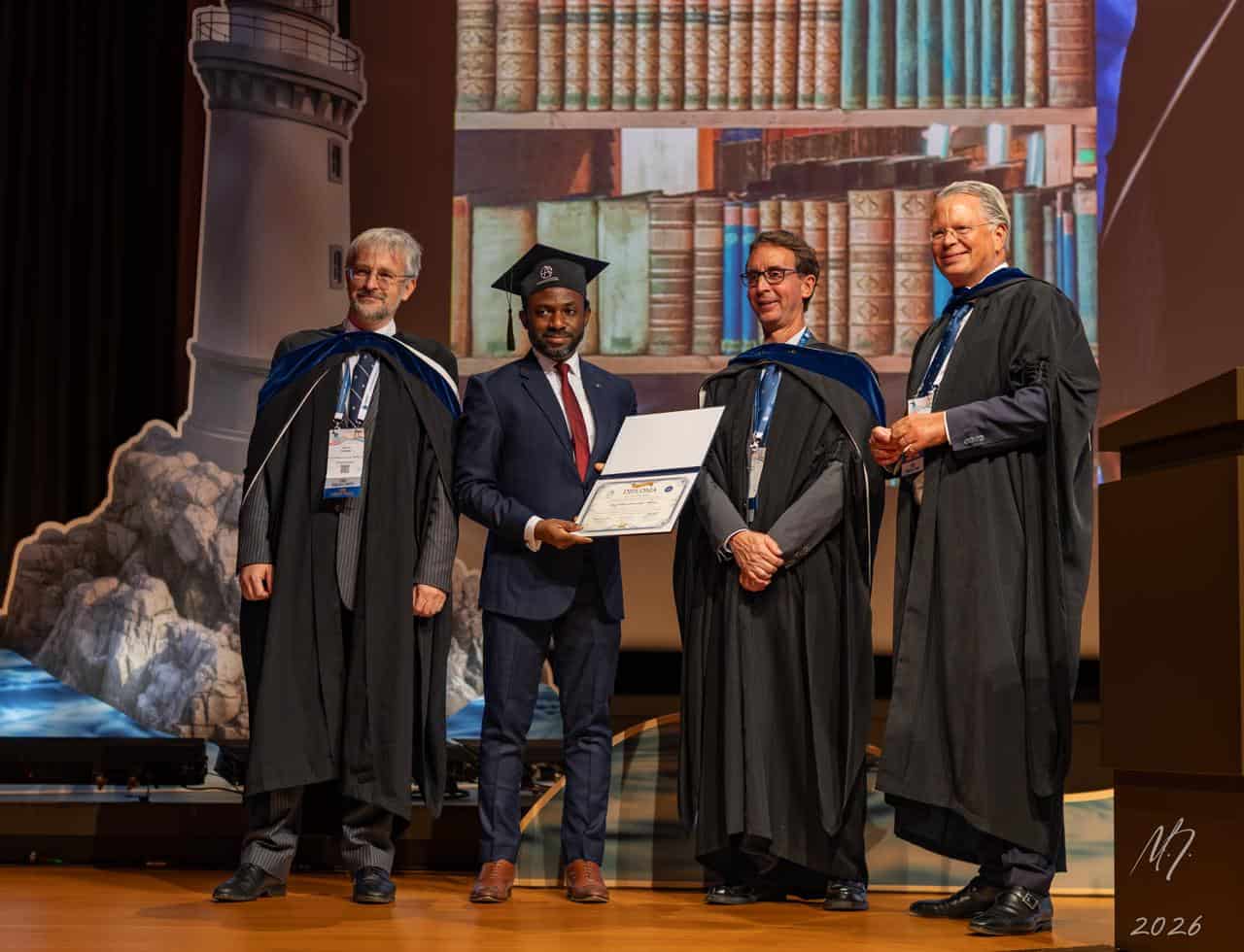
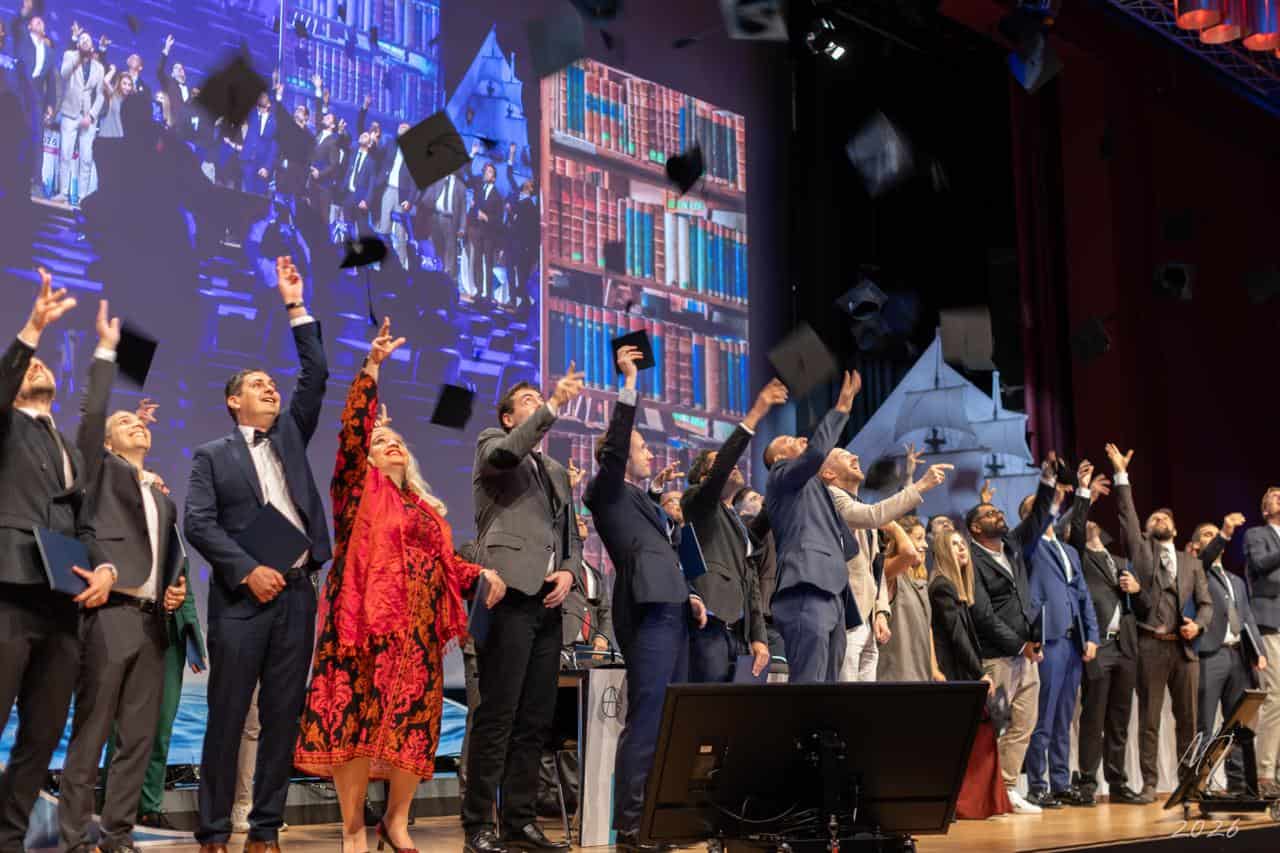
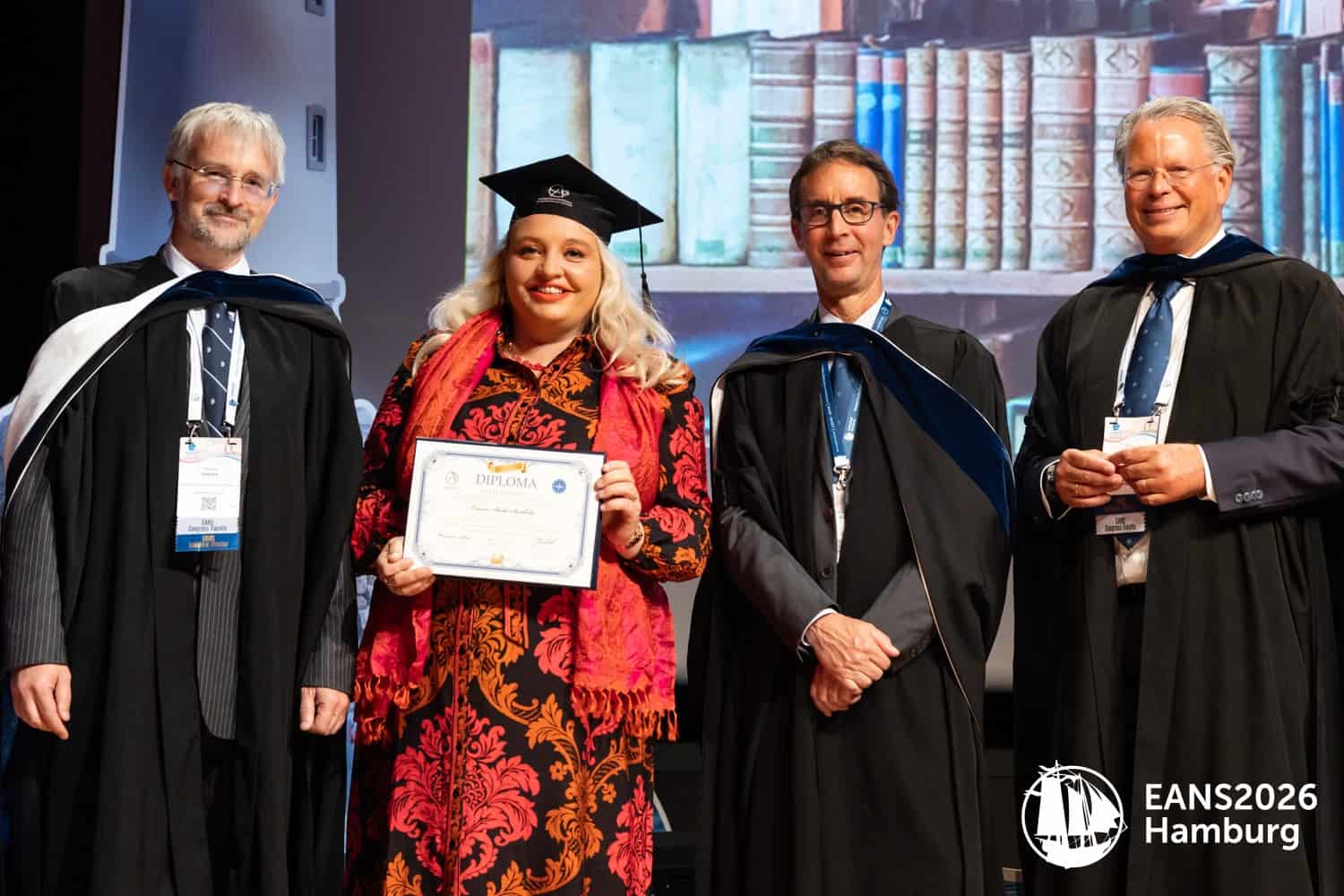
EANS President Francesco Sala, Examination Committee Chair Marcel Ivanov, and Wilco Peul, President of the UEMS Section of Neurosurgery, congratulated the newly appointed Fellows during the ceremony. Their presence highlighted the importance of continuous education, professional development, and collaboration within the European neurosurgical community.
Now established as a recurring part of the EANS Congress, the FEBNS ceremony provides a meaningful opportunity to celebrate the next generation of European neurosurgeons and their achievements. We extend our congratulations to all new FEBNS Fellows and wish them continued success in their professional journeys.
Help Build the J-EANS Fellowship & Observership Network
The EANS Young Neurosurgeons Network welcomes you to take part in the Junior EANS (JEANS) initiative, which aims to make fellowship and observership opportunities more accessible across Europe.
As part of this initiative, we are compiling a list of neurosurgery units offering fellowship or observership opportunities. Having one resource with a comprehensive list of available units offering experience will allow trainees and young neurosurgeons to make informed decisions about where and how to seek out specialty experience.
We believe this will prove to be an invaluable experience for both trainees and units, allowing greater collaboration, opening up channels for networking, and providing insight into how practices differ across Europe and how neurosurgical training can be further improved.
Seize the opportunity to have your unit represented.
Help us shape the future of neurosurgical training.
EANS Member Experience & Engagement Survey
We Would Like to Hear From You!
As part of our ongoing efforts to enhance the EANS member experience, we invite you to take part in the EANS Member Experience & Engagement Survey.
Your feedback will help us better understand your needs, expectations and priorities as an EANS member, while identifying what is working well and where we can further improve our services, activities and benefits.
The survey takes just 7-10 minutes to complete, but your input can make a meaningful difference in shaping the future of EANS and supporting you throughout your professional journey.
Survey deadline: 1 November 2026
Your EANS Story Starts Here!
#IAmEANS Competition
Every EANS member has a story – share what inspired you to become an EANS member, how EANS has shaped your neurosurgical journey, and what being part of this community means to you. Your story could inspire fellow neurosurgeons and help others discover the opportunities and connections that come with being part of EANS.
Share your story on social media, use #IAmEANS &
win a One-Year EANS Individual Membership.
Best story wins!

Be part of the EANS2026 social media community for your chance to win free registration to the EANS2027 Congress in Basel!
Taking part is simple:
1. Capture your EANS2026 moment
Take a photo that shows your EANS experience.
2. Share it on social media
Post your photo on LinkedIn, Instagram, Facebook or X using #EANS2026.
3. Get your friends involved
Ask your friends and colleagues to like your post on the EANS2026 Social Wall.
The post with the most likes on the EANS2026 Social Wall will win free registration to the Congress.
So, get creative, share your EANS2026 moment and start collecting those likes.
Basel is waiting!

We’re partnering with Memento Photo, an AI-powered platform that uses facial recognition to deliver your EANS2026 photos to you in real time! Scan the QR code you’ll find at the designated spots throughout the Congress and create your personalised photo profile.
Follow us on Social media and
stay tuned for the rest of the Journey!
Copyright © 2026 EANS, All rights reserved
Our mailing address is:
The European Association of Neurosurgical Societies
Rue d’Egmont 11, BE-1000, Brussels, Belgium
www.eans.org